In the world of tabletop role-playing games (TTRPGs), few creatures inspire as much admiration, fear, and narrative tension as dragons. Whether you're a Dungeon Master or a player, dragons embody the very essence of what a boss should be: powerful, intelligent, majestic, and capable of evoking strong emotions. In this article, we'll explore why dragons remain the ultimate final bosses of fantasy campaigns, from both a narrative and aesthetic perspective.
The Dragon's Mythical Narrative Arc
From the very beginnings of Dungeons & Dragons (D&D) to the latest independent tabletop RPG systems, dragons have always been the cornerstone of epic tales. Their presence in a game is never neutral. An encounter with a dragon is often heralded by legends, ruins, ancient texts, or terrified villagers. When the moment finally arrives, it’s not just a battle; it’s the climax of the story.
Dragons, particularly in systems like D&D 5e, often represent the culmination of a character's journey. The party may have gathered resources, gained allies, or uncovered secrets, all converging on a confrontation with a powerful wyrm. This is what makes the narrative stakes so high: the dragon is not just an enemy; it’s a reflection of the campaign's journey.
Aesthetic Impact: More Than Just Scales and Wings
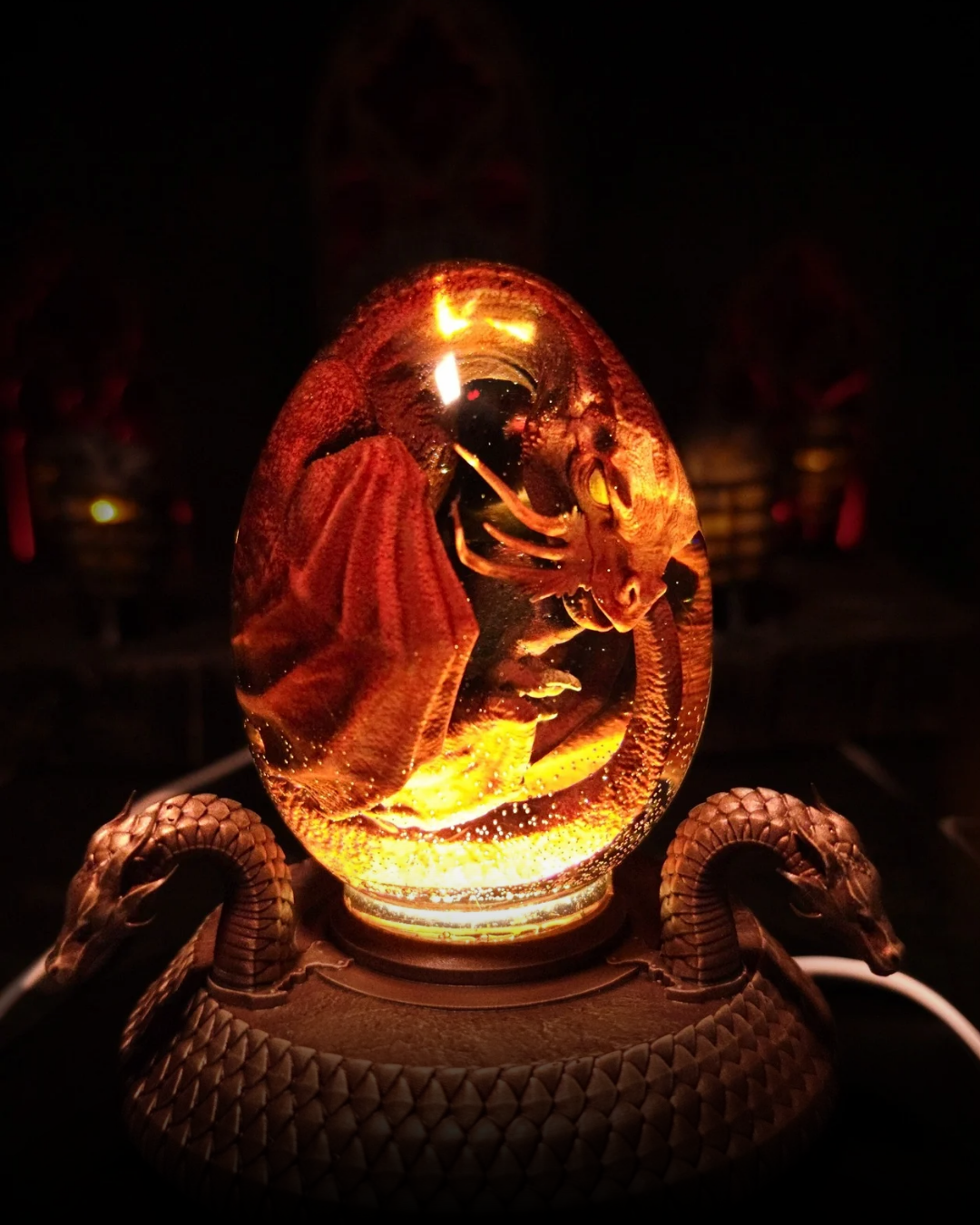
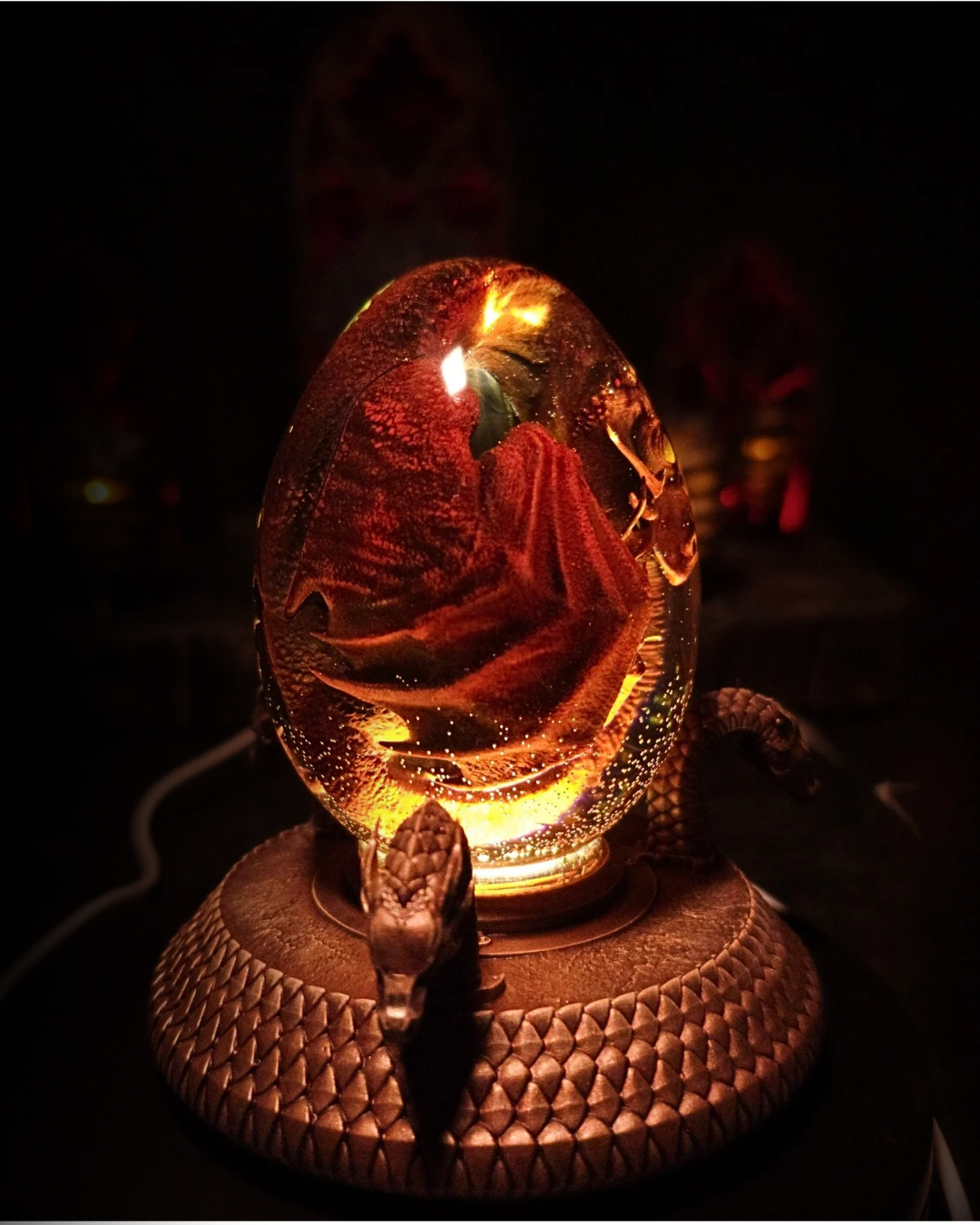
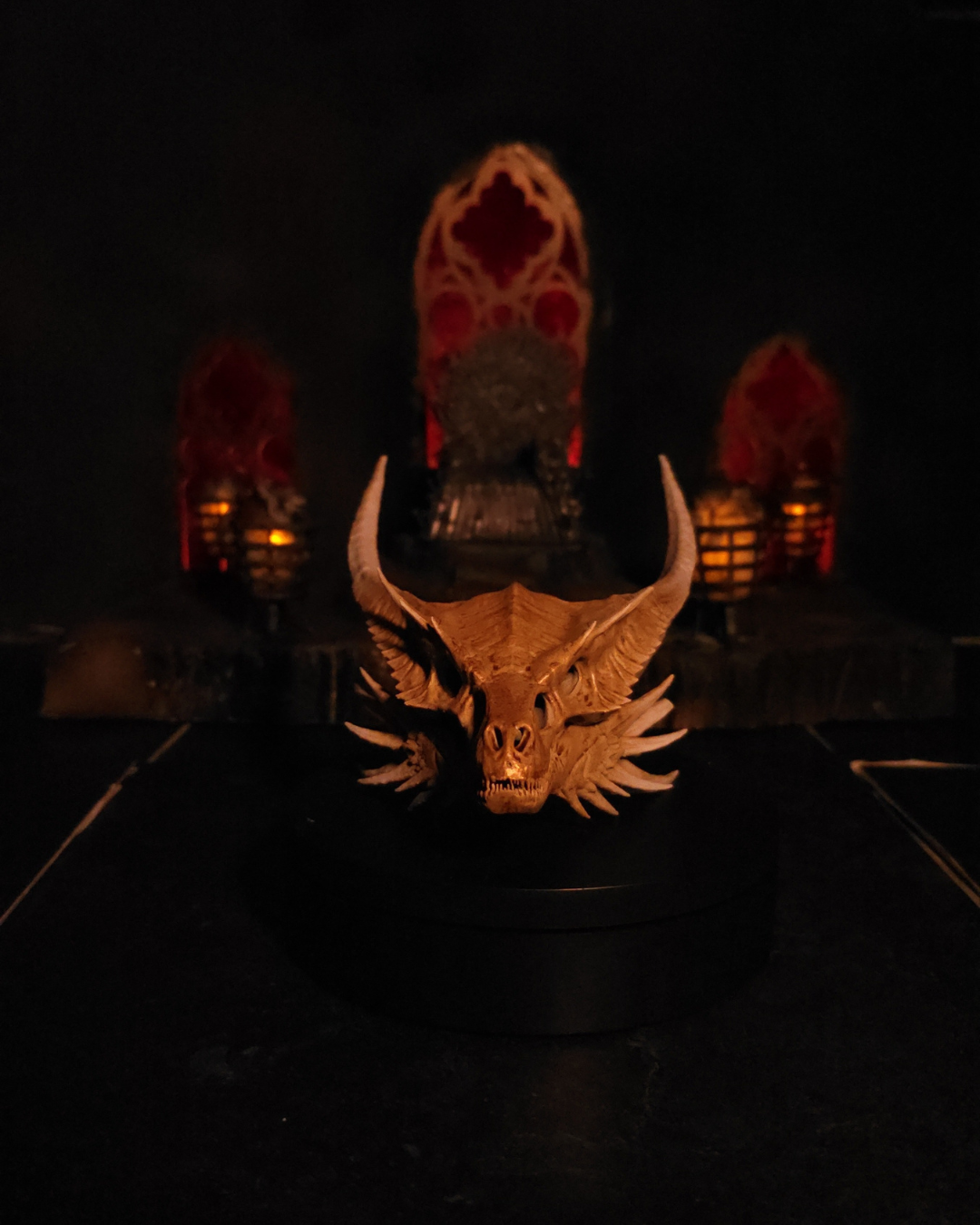
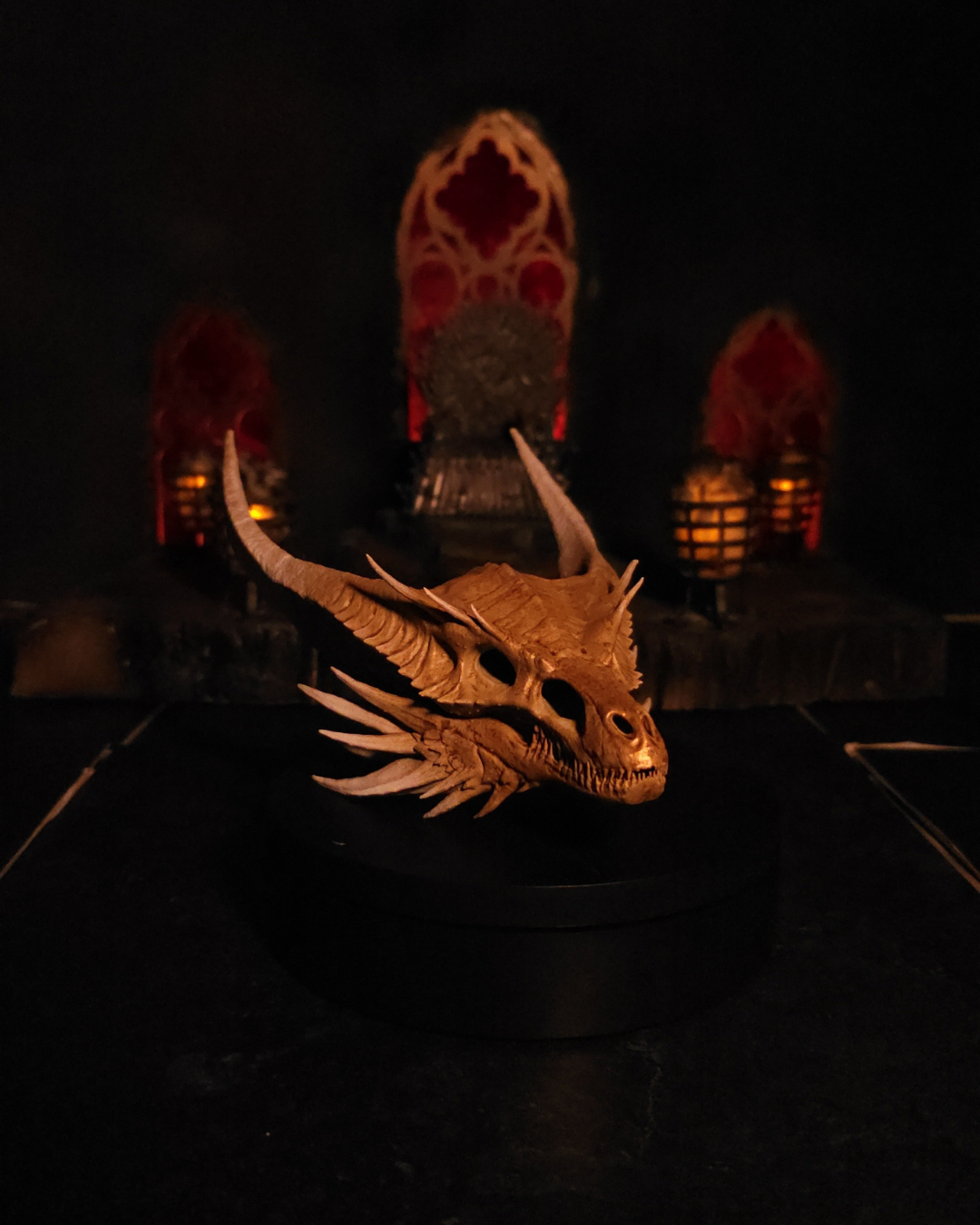
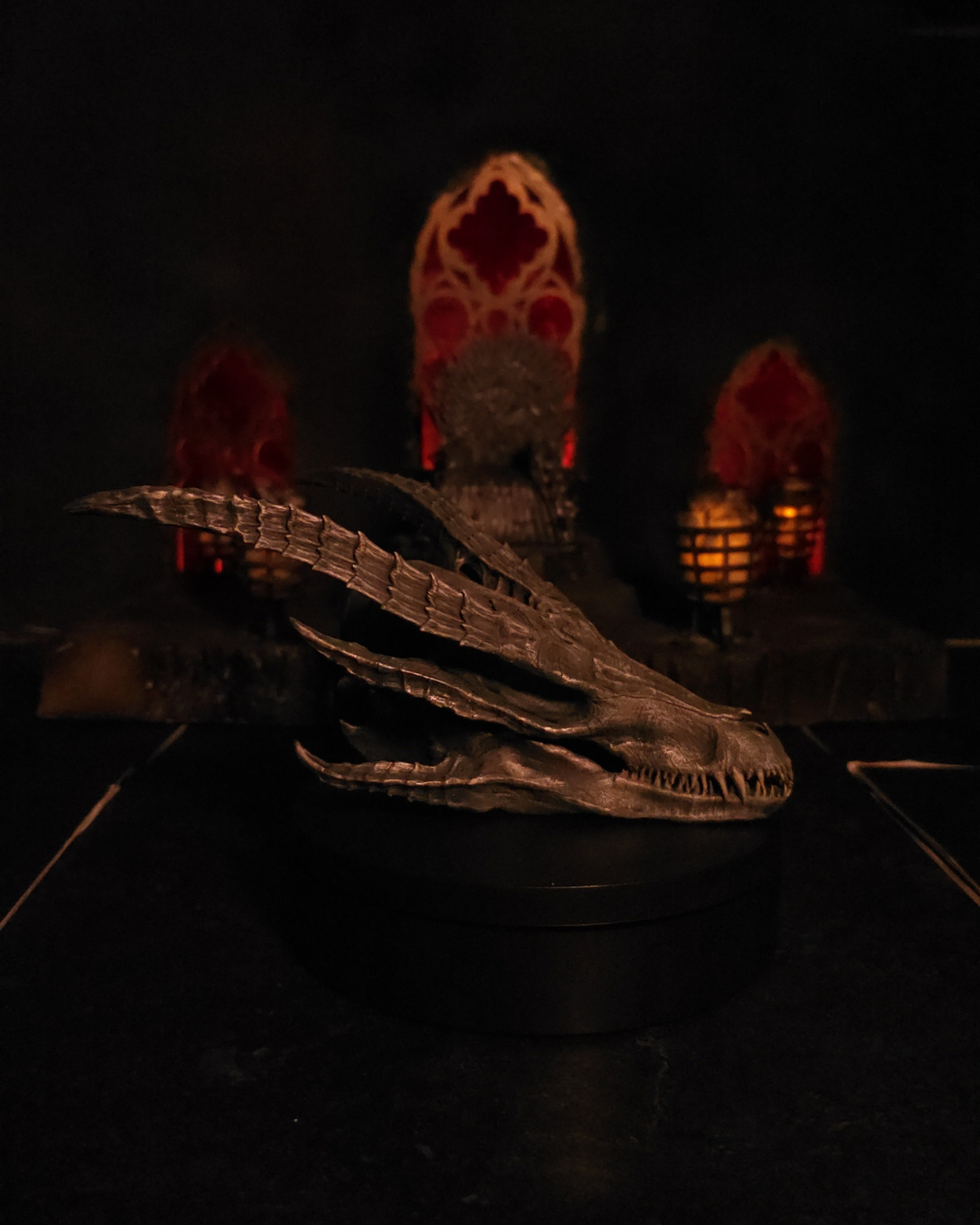
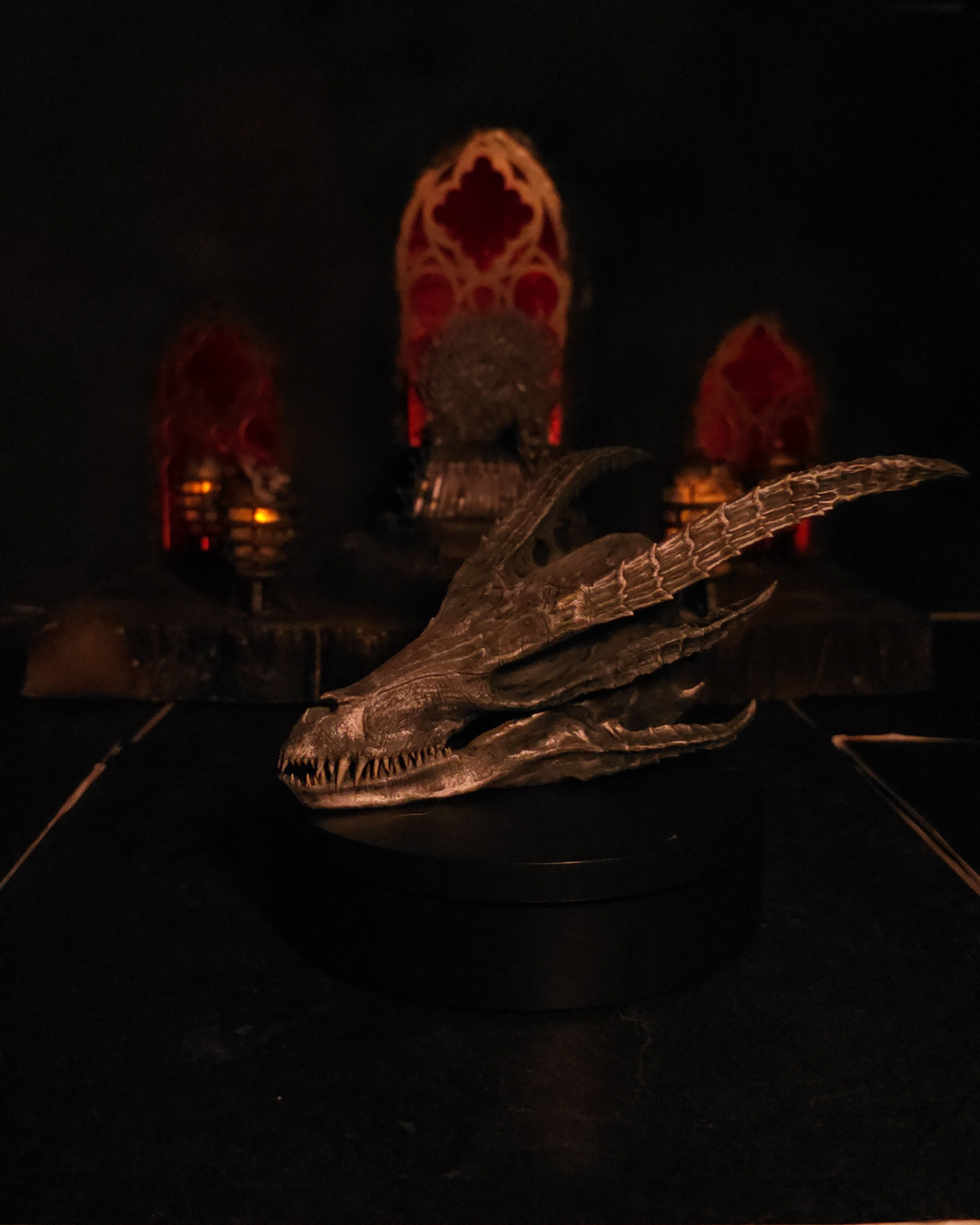
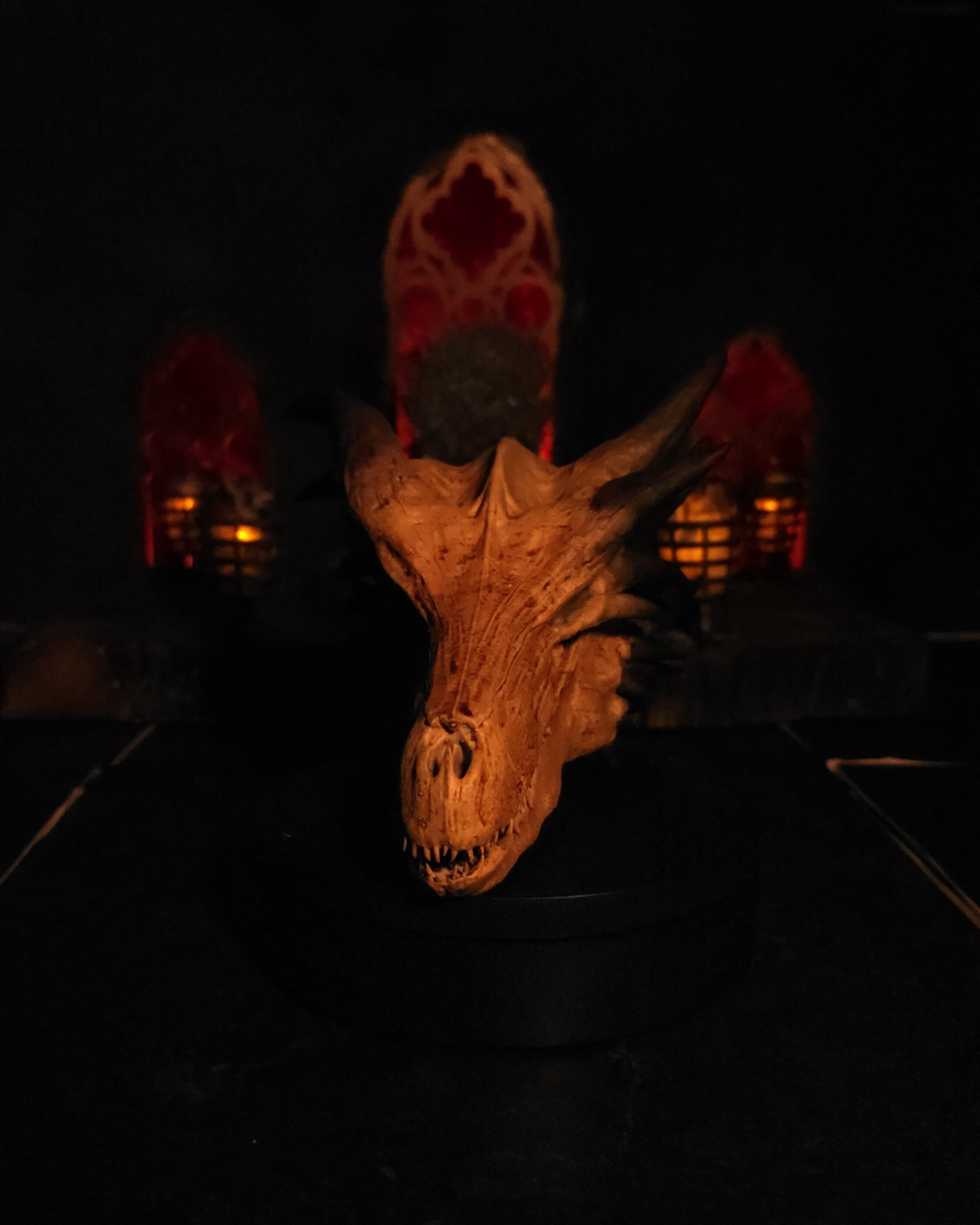
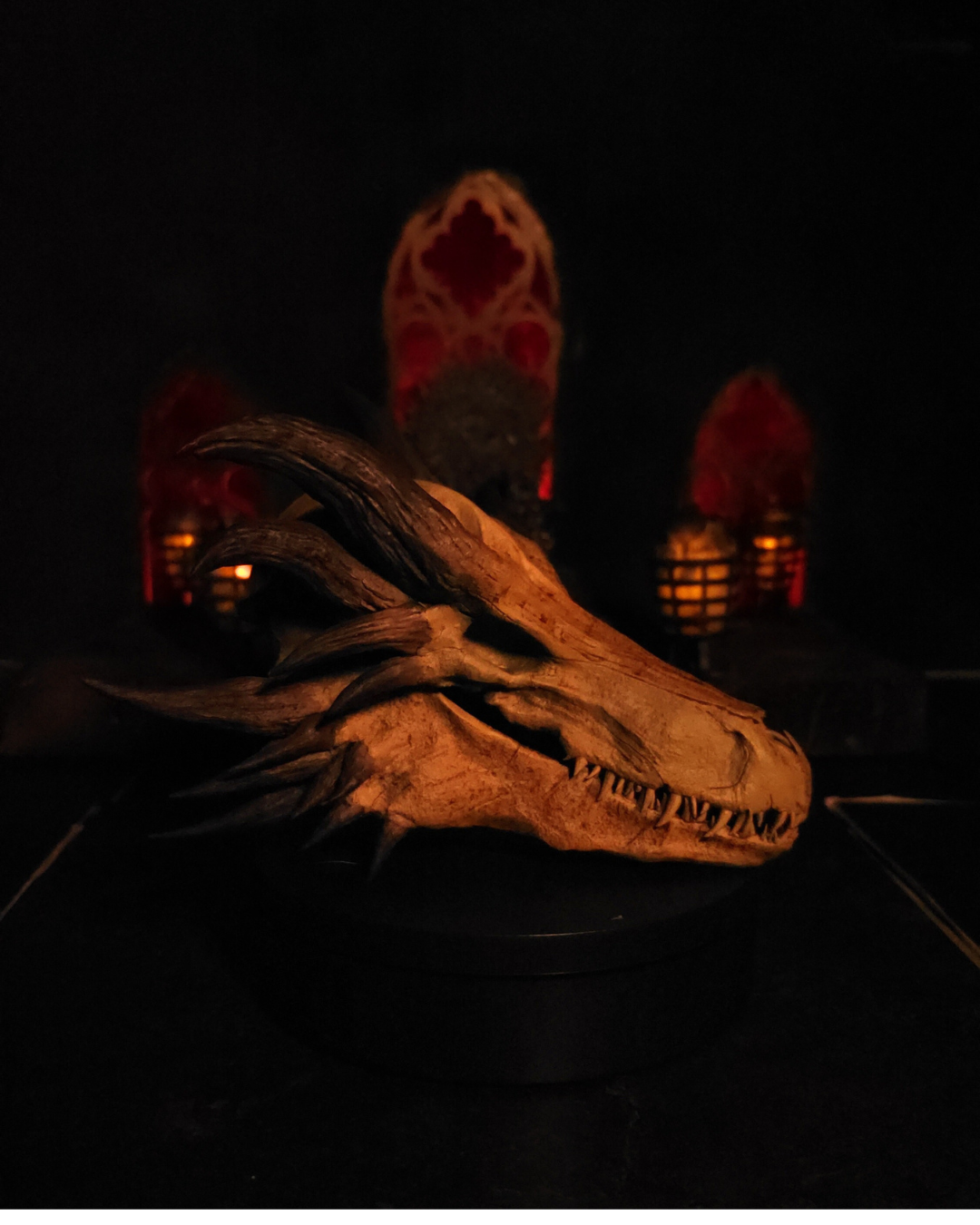
From an aesthetic perspective, dragons offer an unparalleled visual impact. Game Masters often prepare custom maps, detailed dragon miniatures, and elaborate scenery. The moment the dragon lands on the table, players lean forward: it’s not just about stats, it’s about drama.
Dragons are often designed with specific colors, elemental alignments (fire, ice, acid), and lairs that make each encounter unique. The mere presence of a dragon imbues the atmosphere with a cinematic quality, which is an aesthetic asset for both players and GMs.
Tactical Depth and Mechanical Mastery
In terms of game mechanics, dragons represent the ultimate combat challenge. They fly. They breathe deadly elements. They have legendary actions. They speak. They plot. They can retreat and return stronger. Unlike many monsters, dragons in TTRPGs behave like intelligent beings with goals and strategies.
This forces players to go beyond hit points and damage: they must outwit the creature, not just overpower it. This is where dragons rise above mere monster status: they become puzzles, tests of party coordination, and moments of genuine tension.
Emotional and Psychological Resonance
The best TTRPG sessions are those that leave a lasting emotional imprint. Dragons have a deep connection to the fantasy universe and to the very imagination of players. Fighting a dragon is not just a game mechanic—it is myth-making in action.
Players remember dragon fights for years. These battles become the stories players tell their friends: “Remember when we fought the black dragon in the ruined castle, and I rolled a natural 20 with only 2 HP left?” That’s what legends are made of.
Playing the Role of a Dragon: More Than Just a Monster
From the Dungeon Master's perspective, embodying a dragon is a true narrative treat. These creatures are ancient, wise, arrogant, and often manipulative. They can be terrifying tyrants, charming rulers, or tragic beings burdened by a long life. Giving a dragon a voice adds depth to the campaign: moral dilemmas, political consequences, or unexpected twists.
In dark fantasy or “romantasy” campaigns, dragons can even be allies, gods, or cursed lovers—bringing a richness to the story that goes far beyond a simple boss fight.
Dragons and Miniature Culture: Blending History and Creation
For creators, artists, and collectors (like visitors to antredudragondairain.com), dragons are also inspiring muses. Whether it's painting unpainted resin miniatures or creating elaborate dioramas, dragons invite craftsmanship. They become physical extensions of the campaign: trophies, totems, and narrative anchor points.
When your players face a hand-painted resin dragon on the game table, they are not just in a game. They are at the heart of a living story.
Conclusion: Why Dragons Still Reign Supreme in RPGs
Dragons are timeless. Their power transcends systems and universes. Whether you're playing a gritty OSR dungeon crawl or a homebrew "romantasy" campaign, dragons always embody the ultimate challenge.
They are majestic, terrifying, narratively rich, and tactically rewarding. They are everything a boss should be.
And in the hearts of players and Game Masters alike, dragons will always be the last page of the story—and the one everyone remembers.
Sources
- Reddit / DMAcademy – Which dragon should I use for a boss fight?
- Reddit / WyrmWorks – Discussion about the dragon as a boss trope
- TheGamer – All The Problems With Boss Fights In D&D 5e
- RPG.StackExchange – Better Roleplaying a Dragon
- The Angry GM – The D&D Boss Fight (Part 4)
- Gamerant – How To Design Good Boss Fights In Dungeons & Dragons
- Medium (MeepleGamers) – Top 10 Final Boss Monsters
- StartPlaying – The World of Dungeons and Dragons – What is D&D?
- Wired – Confessions of a First-Time GM: Role-Playing a Dragon
- Forum.rpg.net – Your Advice for a Dragon Boss Fight in 5e