In 2024, paleontologists presented one of the most spectacular fossils discovered in China: Dinocephalosaurus orientalis, a marine reptile approximately 240 million years old. Nicknamed by several media outlets the "Chinese dragon," this animal had a serpentine body and an extraordinarily long neck. Although not the ancestor of legendary dragons, its silhouette strongly resembles the Asian dragons depicted for centuries in Chinese art and mythology. This discovery illustrates how much some prehistoric creatures could resemble the fantastic beings imagined by ancient civilizations.
Dragons have fascinated humanity for thousands of years. Present in European, Asian, and Middle Eastern mythologies, they have become essential figures in modern fantasy. But did dragons actually exist? Behind the legends may lie dinosaur fossils, giant reptiles, and natural phenomena that inspired the most famous stories. Let's explore what real creatures might be at the origin of mythological dragons.
Real Creatures at the Origin of Mythological Dragons
Throughout centuries and across continents, mythological dragons have inspired wonder — but many legends are actually inspired by very real animals and natural phenomena. From dinosaur fossils to giant reptiles, here's how history shaped these iconic creatures.
Are Dinosaurs the Origin of Dragons?
In ancient China, dinosaur remains — such as those of Protoceratops or Psittacosaurus — were often mistaken for dragon bones. The Chinese term for dinosaur means "terrifying dragon," which clearly illustrates this connection. Similar erroneous interpretations occurred in medieval Europe, where whale bones or mammoth tusks were considered proof of the existence of sea monsters or dragons.
When pterosaur fossils were discovered, their membranous wings and reptilian appearance could easily be interpreted as those of dragons. Although not dinosaurs strictly speaking, these prehistoric flying reptiles possessed several characteristics found in modern depictions of dragons: large wings, claws, and sometimes impressive bony crests.
Living Reptiles: The Komodo Dragon
The Komodo dragon, first documented in the early 20th century, is the largest living lizard in the world: it can reach 3 meters in length and has venomous saliva. Its formidable presence and prehistoric appearance have made it a very real "dragon." These creatures inspired early monster movies and fueled the imagination, blurring the line between mythology and reality.
Giant Snakes and Crocodiles That Inspired Dragons
Crocodiles and alligators, with their armored bodies and predatory behavior, appear in dragon myths across many cultures. Moreover, large snakes evoke deeply ingrained reptilian fears. Some anthropologists suggest that the primitive fear of snakes in humans may have evolved into stories featuring oversized mythical snakes — proto-dragons.
Plant Fossils, a Source of Prehistoric Inspiration
Some researchers suggest that fossilized trees whose bark resembled scales — such as Lepidodendron — might have influenced how people imagined the skin or eyes of dragons. This adds a botanical dimension to the mythological mosaic, lending more realism to imaginary dragons.
Cultural Dragon Archetypes Around the World
Asian Dragon-Snakes
In East Asia, particularly China and Japan, dragons are perceived as long, wingless serpentine beings, associated with water, storms, and celestial forces. Chinese dragons often live in rivers or clouds, unlike Western fire-breathers. Japanese mythology blends indigenous snake spirits with imported dragon imagery, giving rise to deities such as Ryūjin or Yamata-no-Orochi.
European Traditions of the Drakon and the Wyrm
In ancient Greece, dragons were often perceived as enormous snakes — such as Typhon or the Hydra — guarding sacred places or treasures. Norse and Germanic myths evoke wyrms like Níðhöggr gnawing at the world tree or Fáfnir guarding his cursed treasure. The Wawel Dragon in Poland, famous for being defeated by cunning, remains a national folk symbol.
Mesopotamian and Middle Eastern Dragons
In ancient Mesopotamian traditions, dragons such as the mušḫuššu and Tiamat symbolized both destruction and protection. These serpentine deities influenced later mythologies, integrating into the archetype of the formidable guardian beast common to mythological dragons worldwide.
Sailors often reported the existence of gigantic creatures living in the depths. Giant squid, whales, or decomposed carcasses washed ashore probably contributed to the birth of many sea dragon legends. In some Nordic and Celtic cultures, these aquatic monsters hold as important a place as terrestrial dragons.
Modern Parallels and Scientific Perspectives
How Dragon Myths Spread Around the World
Museums and researchers agree that mythological dragons likely resulted from a fusion of real animals, fossil discoveries, and cultural exchanges. Ancient trade routes and conquests allowed local myths to spread and merge, creating more complex hybrid dragon archetypes.
Dragons and Dinosaurs: A Popular Memory?
While some pseudoscientific theories suggest that humans coexisted with dinosaurs, paleontology proves otherwise. However, ancient peoples who discovered dinosaur fossils probably imagined terrifying creatures to explain what they had found — thus perhaps fueling dragon myths without any direct encounters.
Plants, Fossils, Reptiles: A Mythical Confluence
The dominant theory today is that dragon legends arose from a mix of misinterpreted fossils, observations of gigantic reptiles, an instinctive fear of snakes, and even fossilized plant forms. These elements formed a kind of "mythical puzzle" that cultures assembled in their own way.
Why Mythological Dragons Endure Today
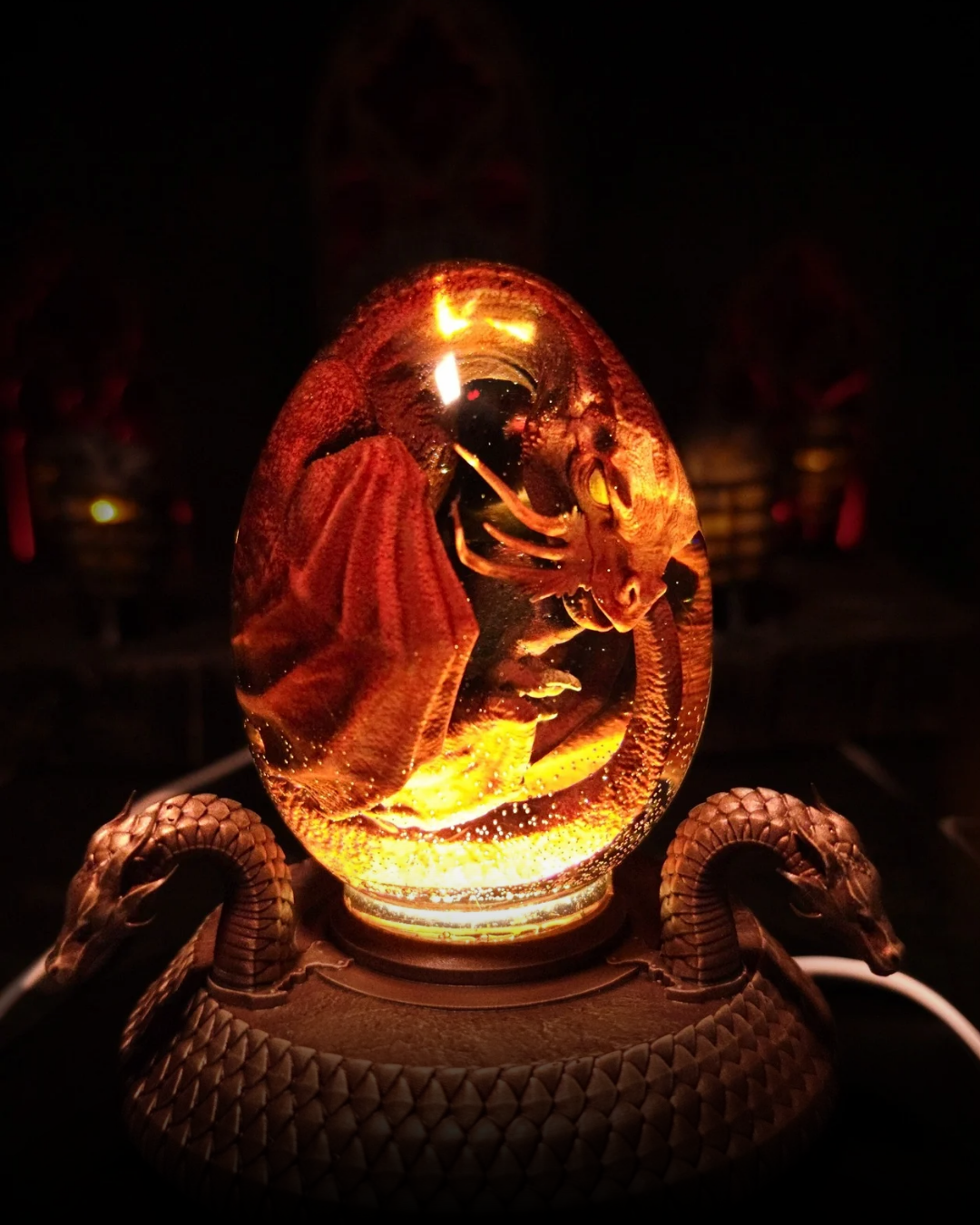
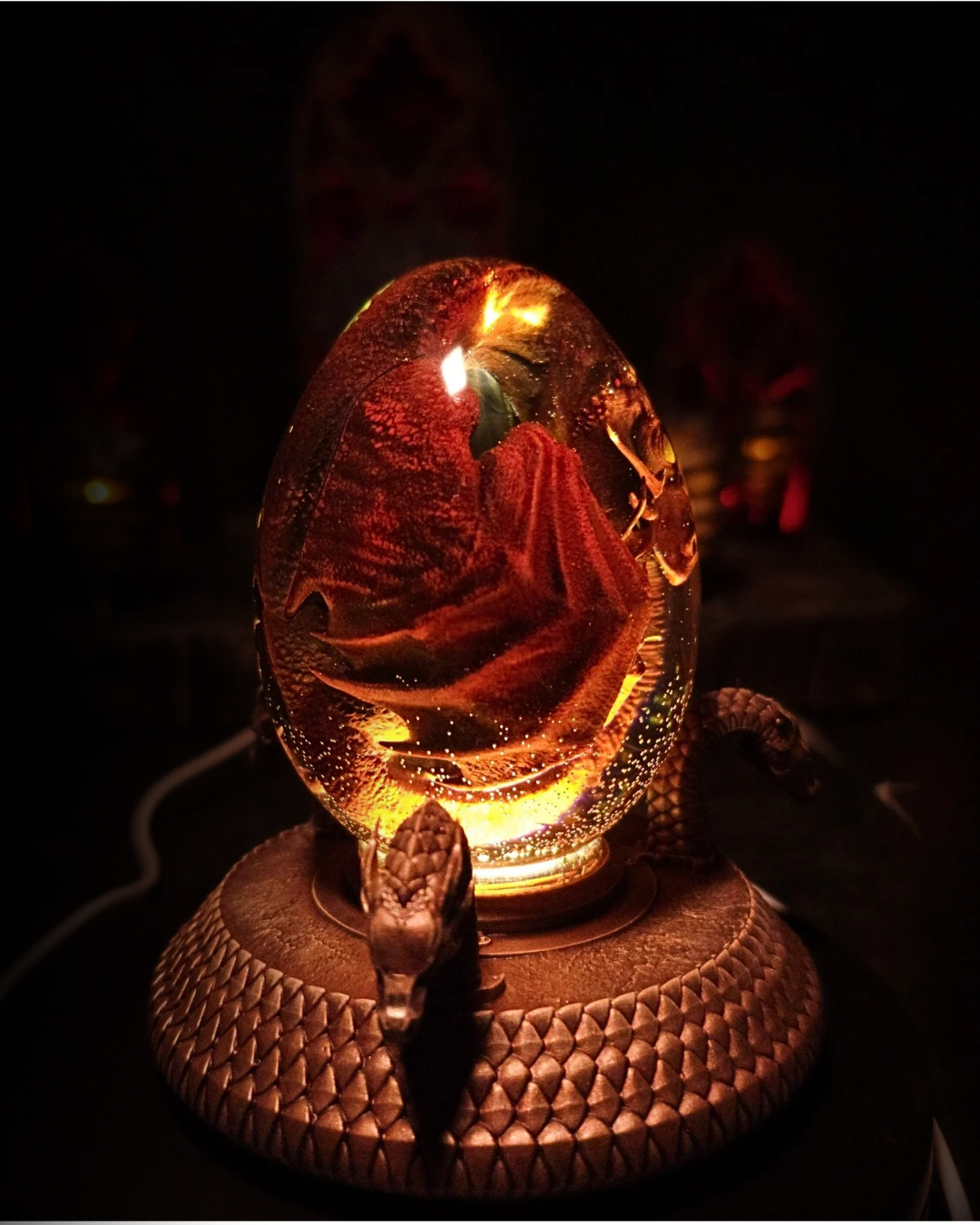
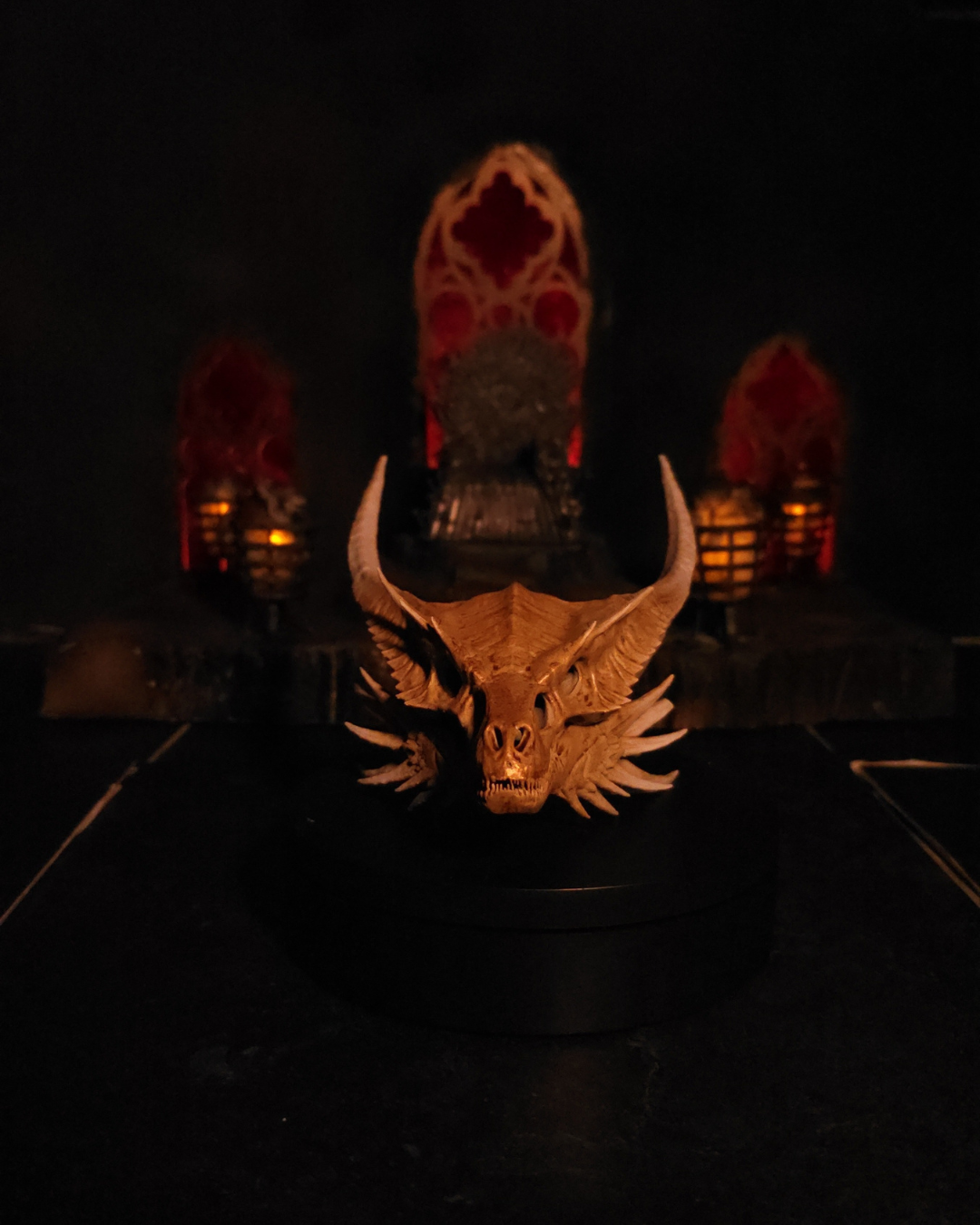
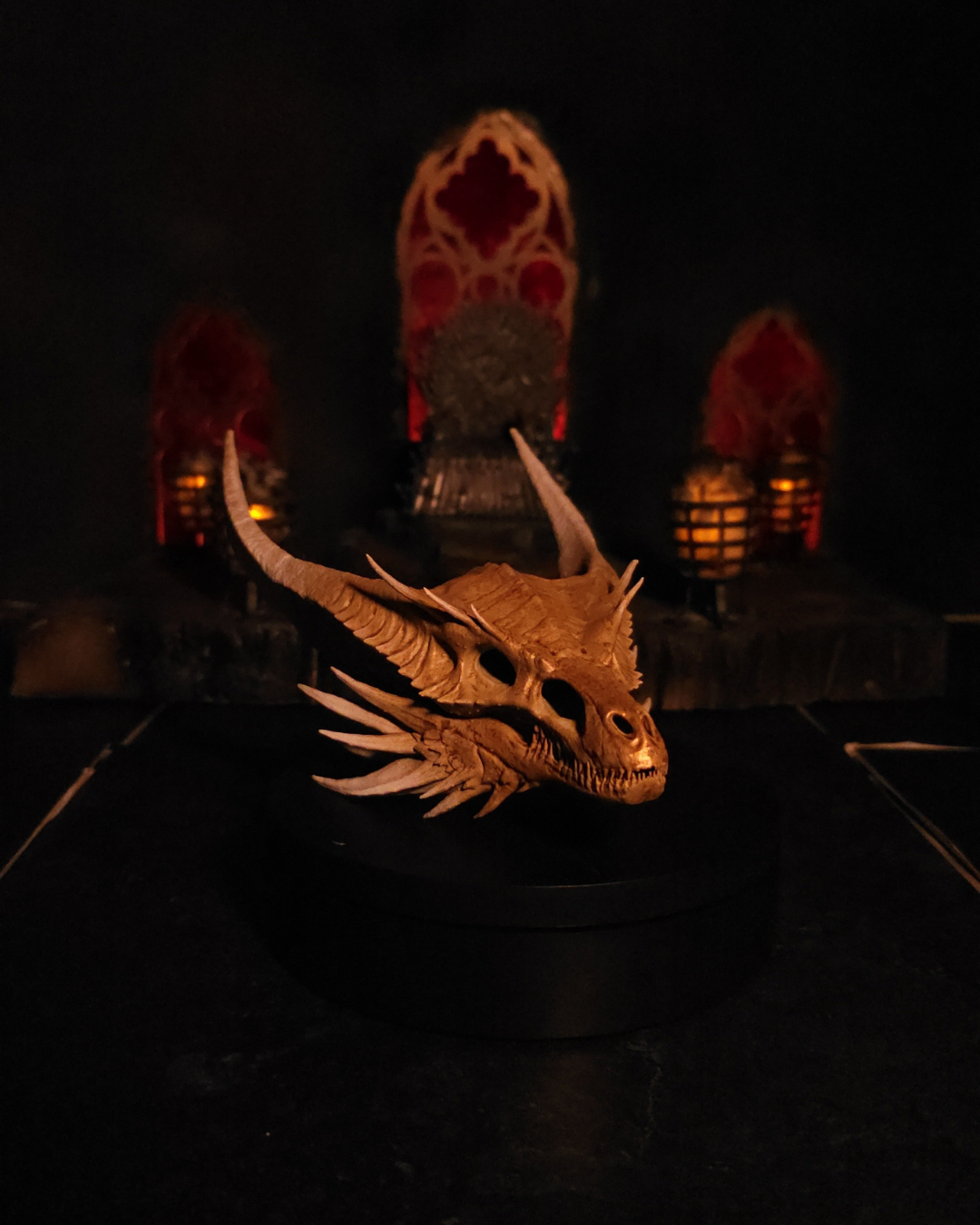
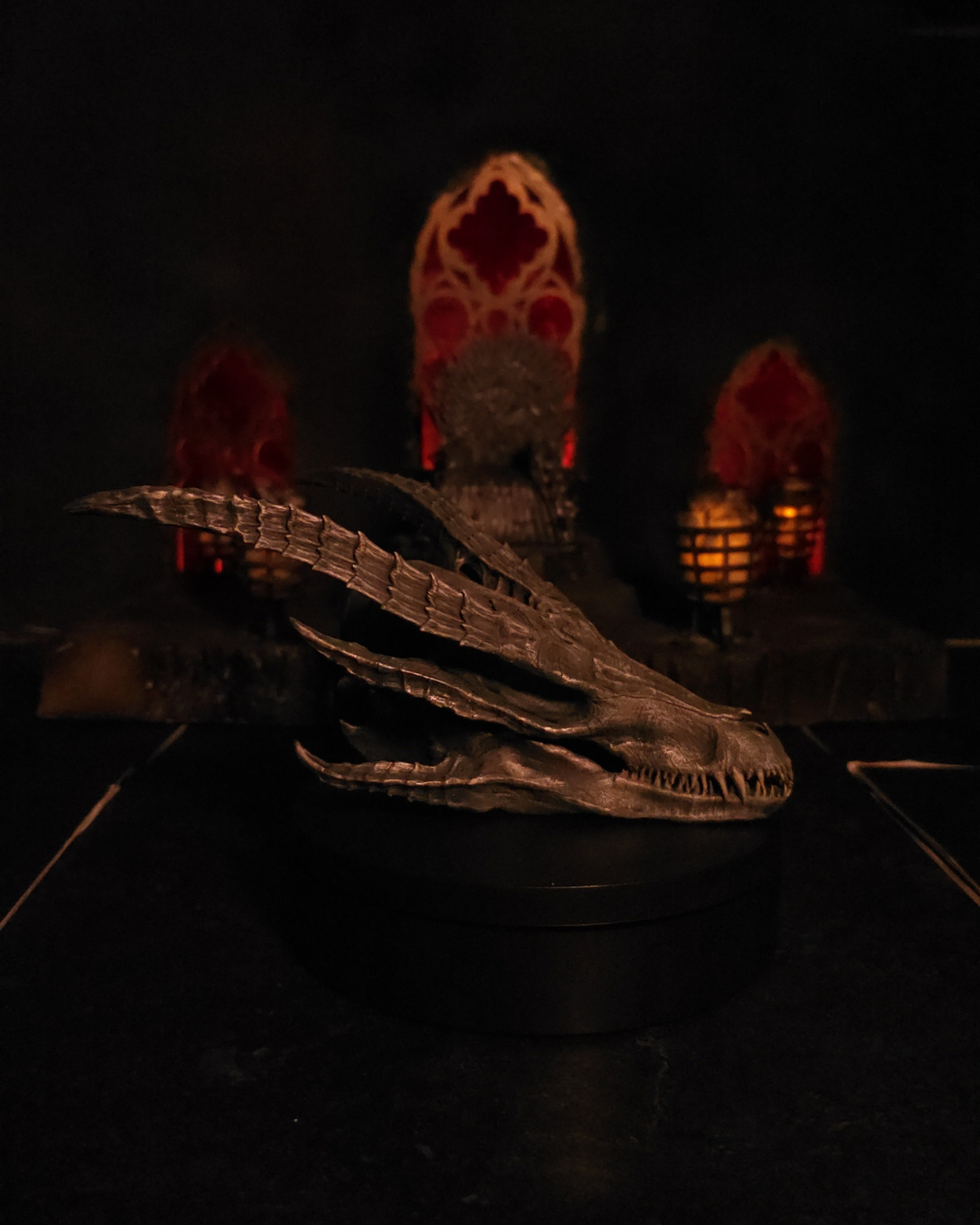
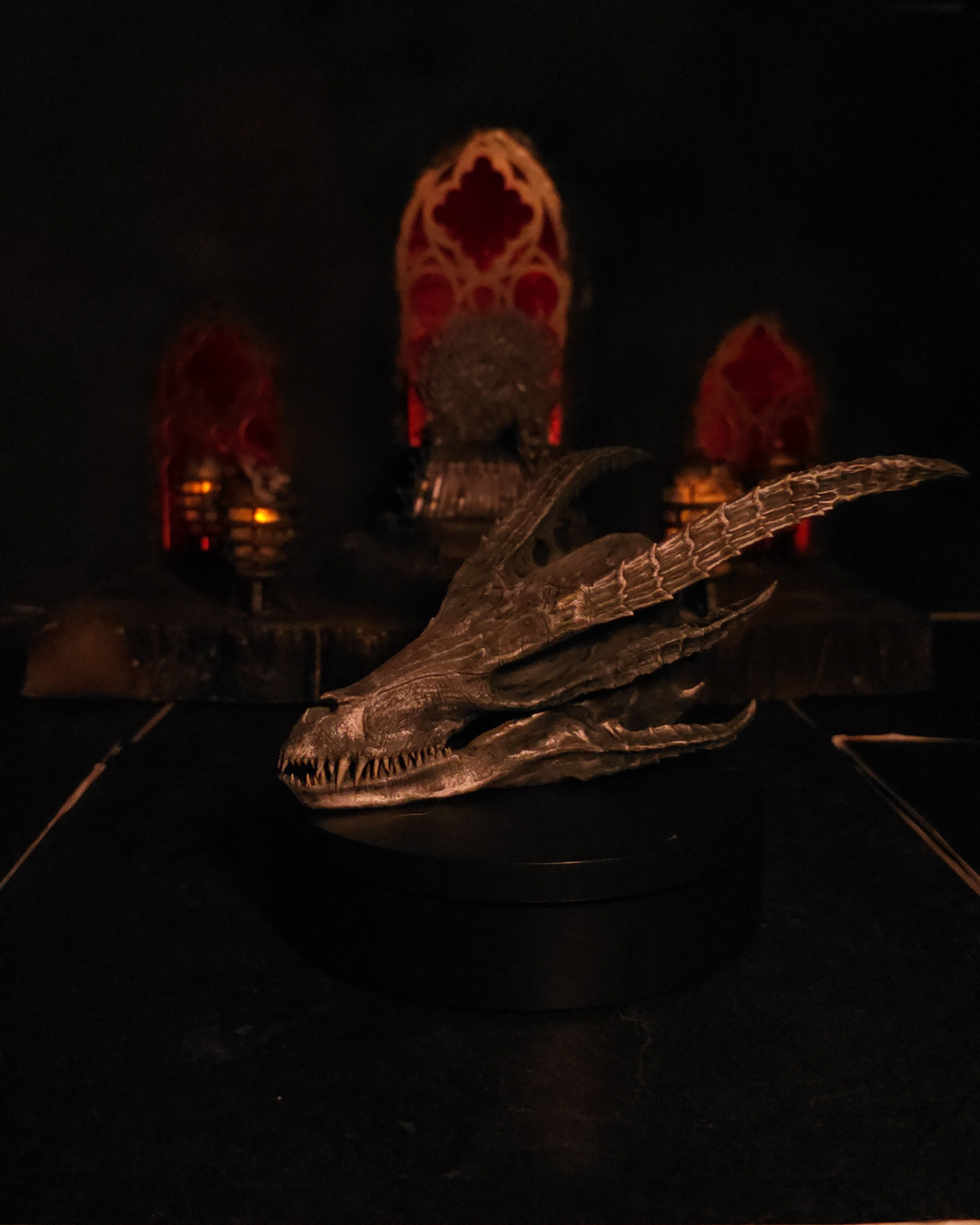
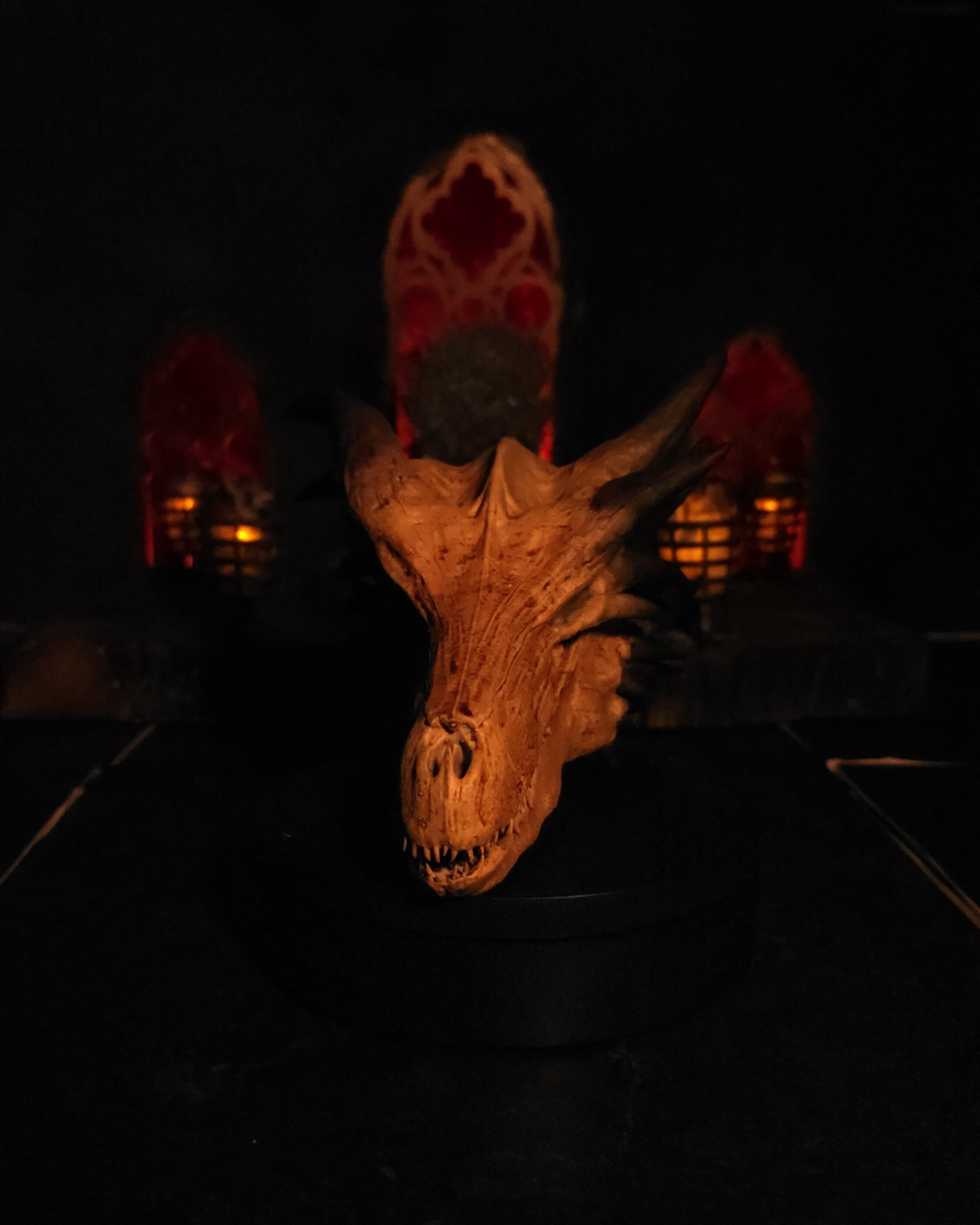
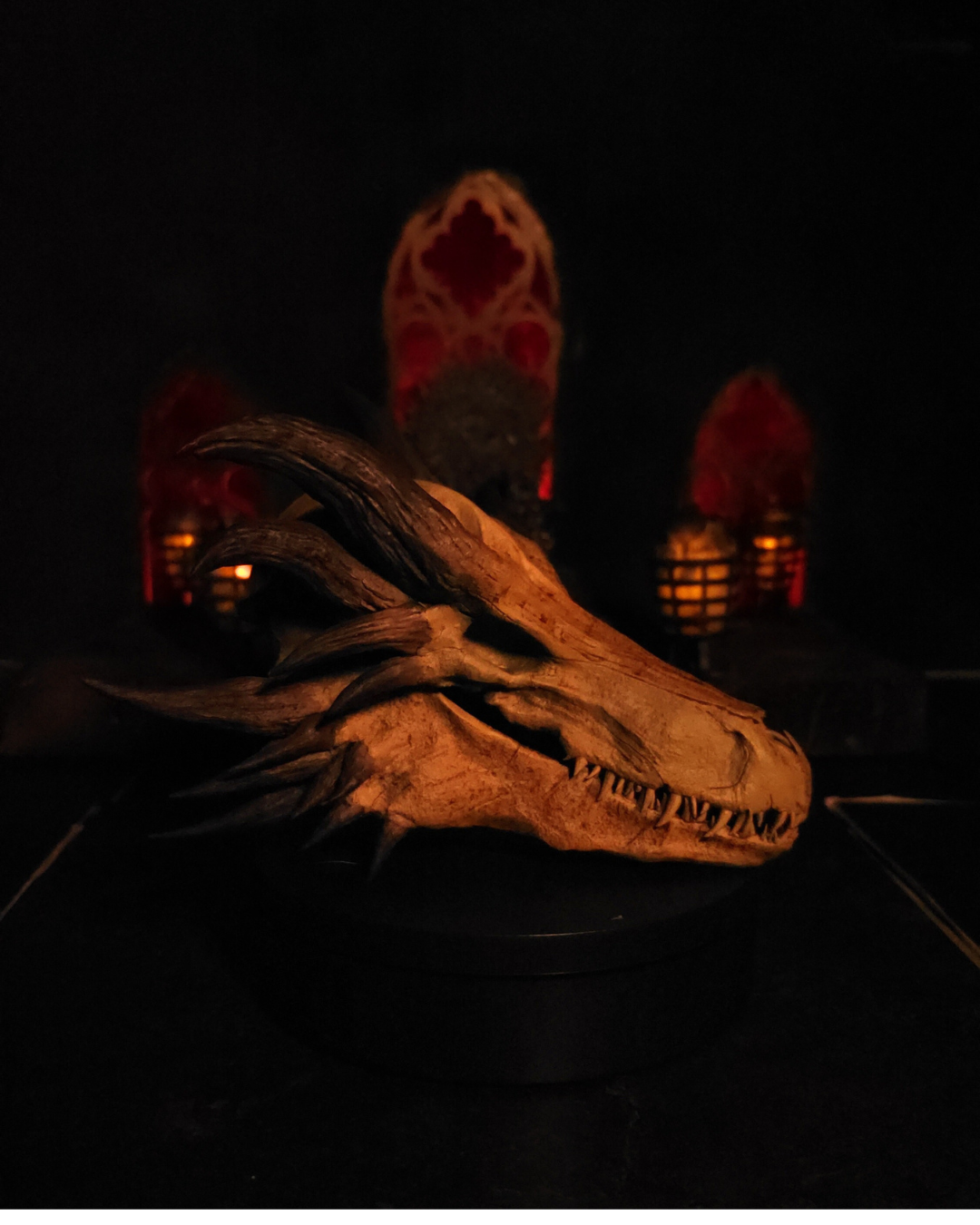
The global success of series like Game of Thrones and House of the Dragon demonstrates that dragons remain deeply embedded in our collective imagination. Dragons such as Drogon, Caraxes, Syrax, or Vhagar embody many characteristics from ancient mythologies: destructive power, exceptional intelligence, and a connection to the forces of nature. These modern works perpetuate a cultural legacy several millennia old.
While dragons probably never existed in the form described in legends, their origin seems to stem from a fascinating blend of dinosaur fossils, giant reptiles, sea monsters, and cultural beliefs. This unique combination of real observations and human imagination explains why dragons continue to hold a central place today in fantasy, video games, cinema, and literature.
Source:
- MarkWitton.com – Studies on dinosaur fossils and Chinese dragons.
- English-Heritage.org.uk – Cultural origins of European and Asian dragons.
- MiniMuseum Blog – Plant fossils that inspired dragon motifs.
- NewYorker.com – Historical and scientific study of mythical creatures.
- BioLogos.org – Scientific position on dragon legends and dinosaurs.
- Time.com – Contemporary echo of dragons in Game of Thrones.
- Wikipedia (EN) – Detailed entries: Wawel Dragon, Tiamat, the Hydra, Mušḫuššu, Chinese and Japanese dragons.
- Encyclopedia Britannica – Evolution of mythological representations.
- Anthropologist David E. Jones – Theory on ancestral fear of snakes.
- American Museum of Natural History – Exhibitions on dragons and real animals.