When "Stranger Things" first aired, few could have imagined the extent of its impact on geek culture—not to mention the world of role-playing games. Yet, for many, the series became a gateway (or even a true renaissance) to the world of RPGs. Here's how and why "Stranger Things" put "Dungeons & Dragons" back in the spotlight.
The Right Blend of Nostalgia and Fantasy
Stranger Things unashamedly cultivates a retro aesthetic, rooted in the 1980s—an era when role-playing games were already at their peak. From the design of typical American streets and houses to the "synthwave" soundtracks and the old-school horror ambiance, everything evokes the world in which D&D was born.
For a generation born after the first RPG boom, Stranger Things acts as a time machine, making them want to rediscover or explore this past. The result: thousands of new players, attracted by the idea of reliving a bit of that 80s atmosphere by inventing their own stories around a table.
The Series as a Narrative Campaign
Stranger Things doesn't just display a nostalgic aesthetic: its plot blends investigation, adventure, supernatural monsters, dungeons (in the broad sense), adolescent drama, and team spirit. In short: all the ingredients of a classic role-playing game campaign.
- Exploration of mysterious environments: dark forests, abandoned laboratories, dimensional recesses... — just like the dungeons of Dungeons & Dragons.
- Terrifying monsters: creatures from another world, supernatural entities, psychological horror — all ideal enemies for NPCs or campaign adversaries.
- Dramatic tension and survival: fear, friendship, sacrifice, the quest for truth — powerful themes for building intense scenarios.
Indeed, the series acts as a narrative model: it shows how to structure a story, blend character relationships, mystery, and danger, which makes fans want to create their own.
The Rediscovery of Dungeons & Dragons
Historically, Dungeons & Dragons is the archetype of role-playing games—with its classes, races, character sheets, dice rules, and magic. But thanks to Stranger Things, D&D has found new momentum: many beginner players discover the game through the series, curious to explore its mechanisms, create their own characters, and play scenarios close to the spirit of "the Upside Down / Hawkins."
For old players, it's an opportunity to rediscover a passion they had set aside. For newcomers, it's the starting point of an exciting adventure.
A Rejuvenated and Engaged Community
The Stranger Things phenomenon has not only captivated adults: it has also won over teenagers, students, and young professionals—often far removed from the traditional RPG hobby. The result:
- role-playing game sessions among friends are experiencing a real boom;
- groups are organizing on social media to recruit players;
- content creators (bloggers, YouTubers, streamers) offer "Hawkins-style" campaigns, attracting a young audience;
- sales of rulebooks, dice, miniatures, cards, and accessories are clearly on the rise—a real economic boost for this leisure activity.
Stranger Things, a Bridge Between Pop Culture and RPGs
Thanks to its global success and high media visibility, Stranger Things has acted as a bridge between the general public and the world of role-playing games. For many, RPGs were nothing more than a cliché (geeky, outdated, "uncool"). But thanks to the series:
- RPGs are now perceived as cool, narrative-driven, immersive—more contemporary.
- Fear, the supernatural, and mystery—themes often absent from classic campaigns—become accessible.
- Sharing, friendship, cooperation, and dramatic tension—the modern values of the game—are highlighted.
Thus, Stranger Things has transformed the image of role-playing games, making them accessible, desirable, and, above all, legitimate in the eyes of a wider audience.
What GMs and Players Can Learn from This Resurgence of Interest
If you are a Game Master (GM)—or want to become one—here are some ideas inspired by Stranger Things to create campaigns that your table will love:
- Paranormal investigation scenarios: mysterious disappearances, dimensional portals, unsettling entities... perfect for a dark and immersive universe.
- "Slice of life + horror" campaigns: blend adolescence, personal dramas, friendships, and supernatural horror.
- Homebrew Bestiary: draw inspiration from the series' creatures to create unique monsters, halfway between horror and fantasy.
- Visual and auditory ambiance: encourage players to decorate the table, light candles, play retro music—to fully immerse themselves in the atmosphere.
- Vulnerable characters: not just intrepid heroes, but fragile and frightened teenagers trying to survive—a more immersive and realistic approach.
A Lasting Effect on the RPG Scene
Even after new seasons are released, the Stranger Things effect persists:
- new players continue to join the community,
- publishers offer modules "inspired by horror and the supernatural,"
- homebrew creations (scenarios, bestiaries, alternate universes) are experiencing a resurgence of interest,
- and RPGs are gaining visibility in the media and on social networks.
In short, Stranger Things doesn't just create a trend: the series solidifies a lasting interest in role-playing games by modernizing them and adapting them to contemporary sensibilities.
Enrich Your Campaigns with Unique Miniatures
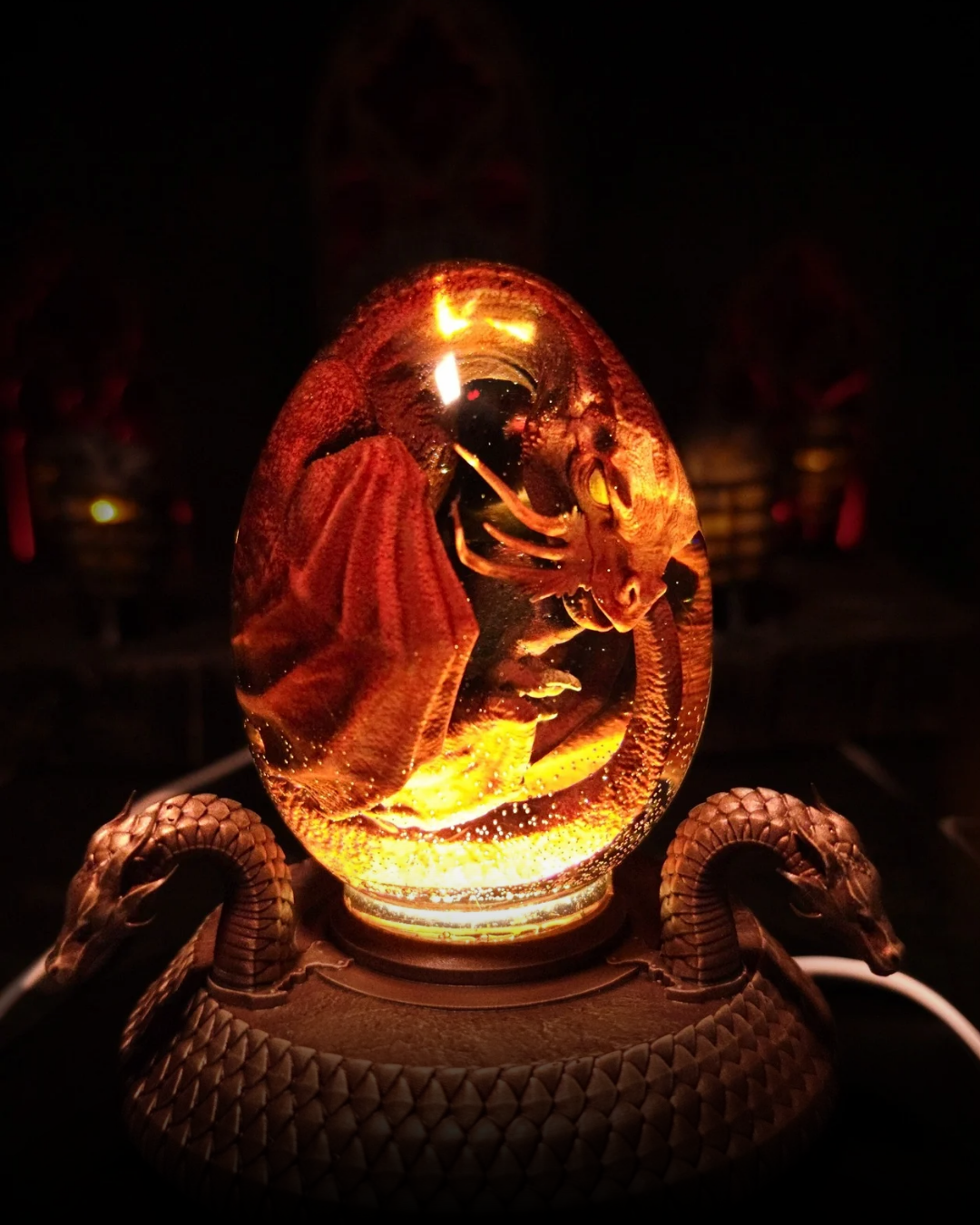
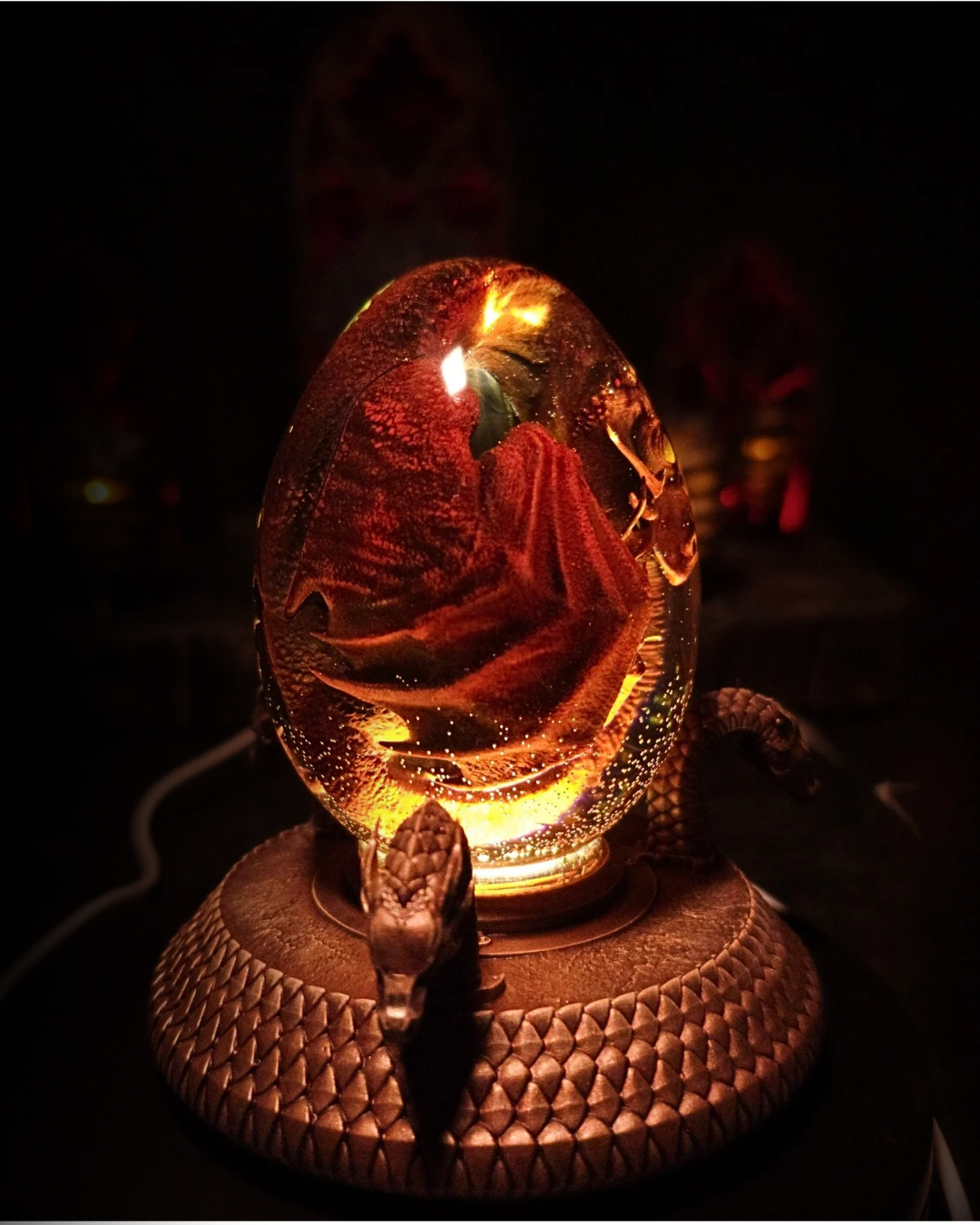
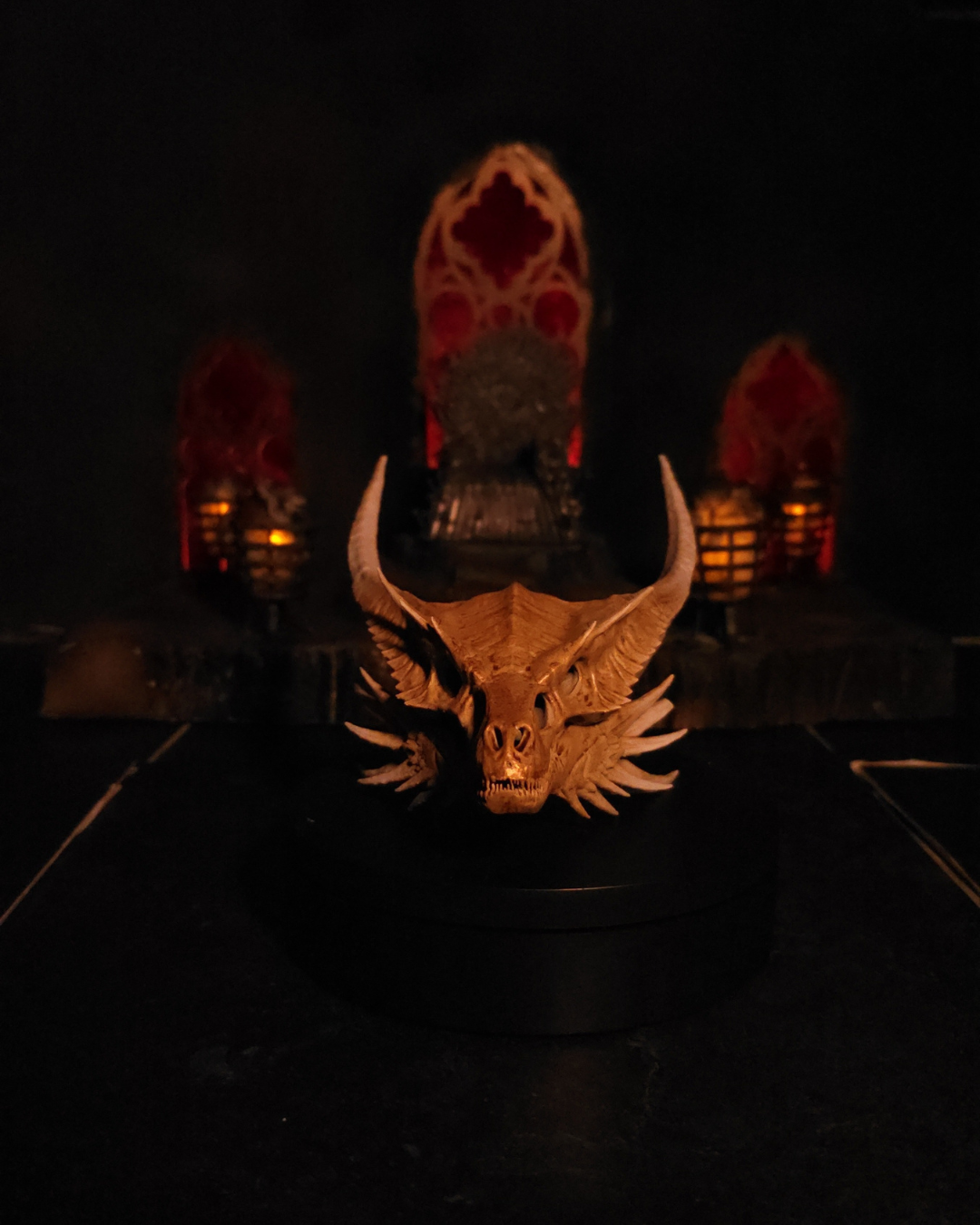
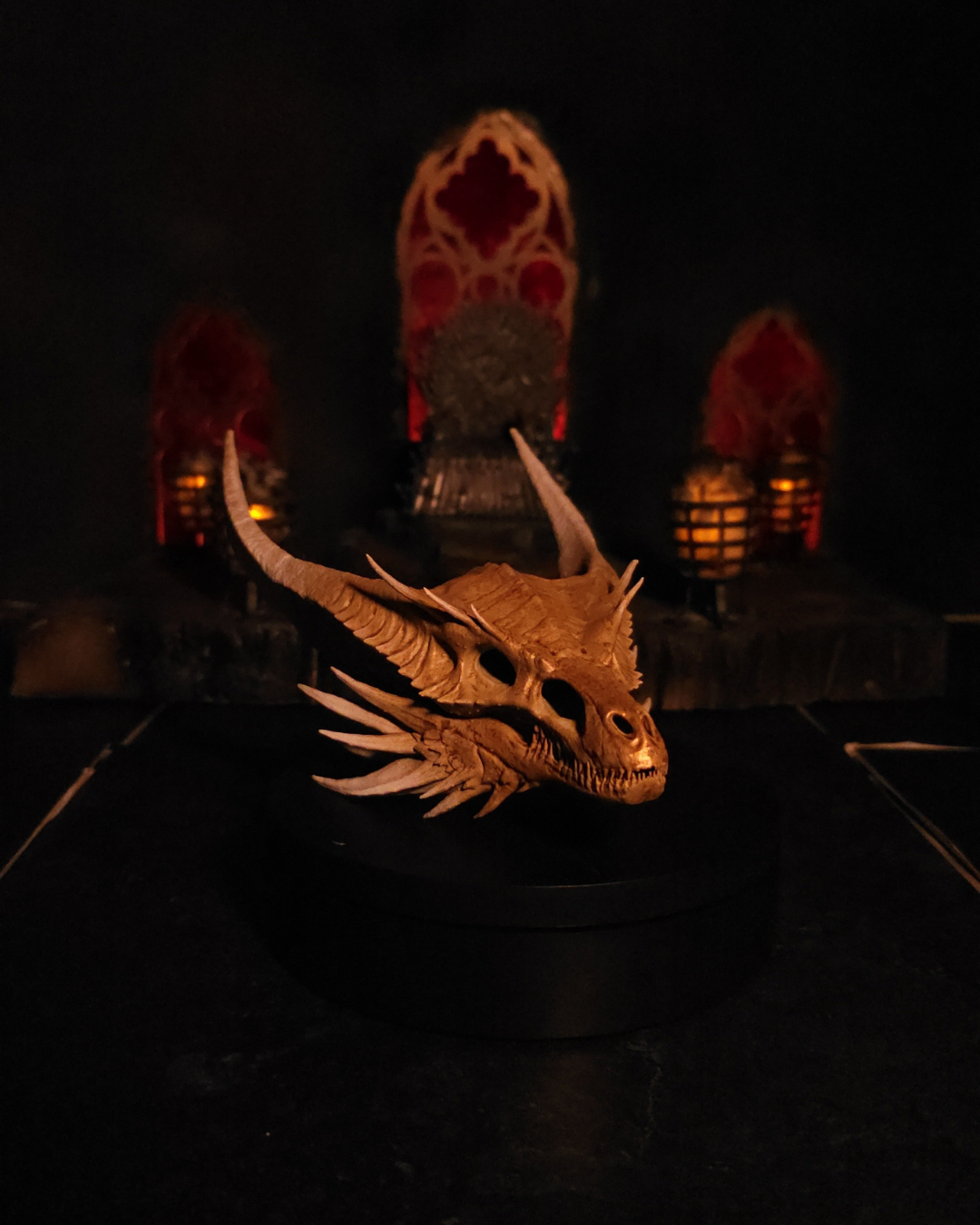
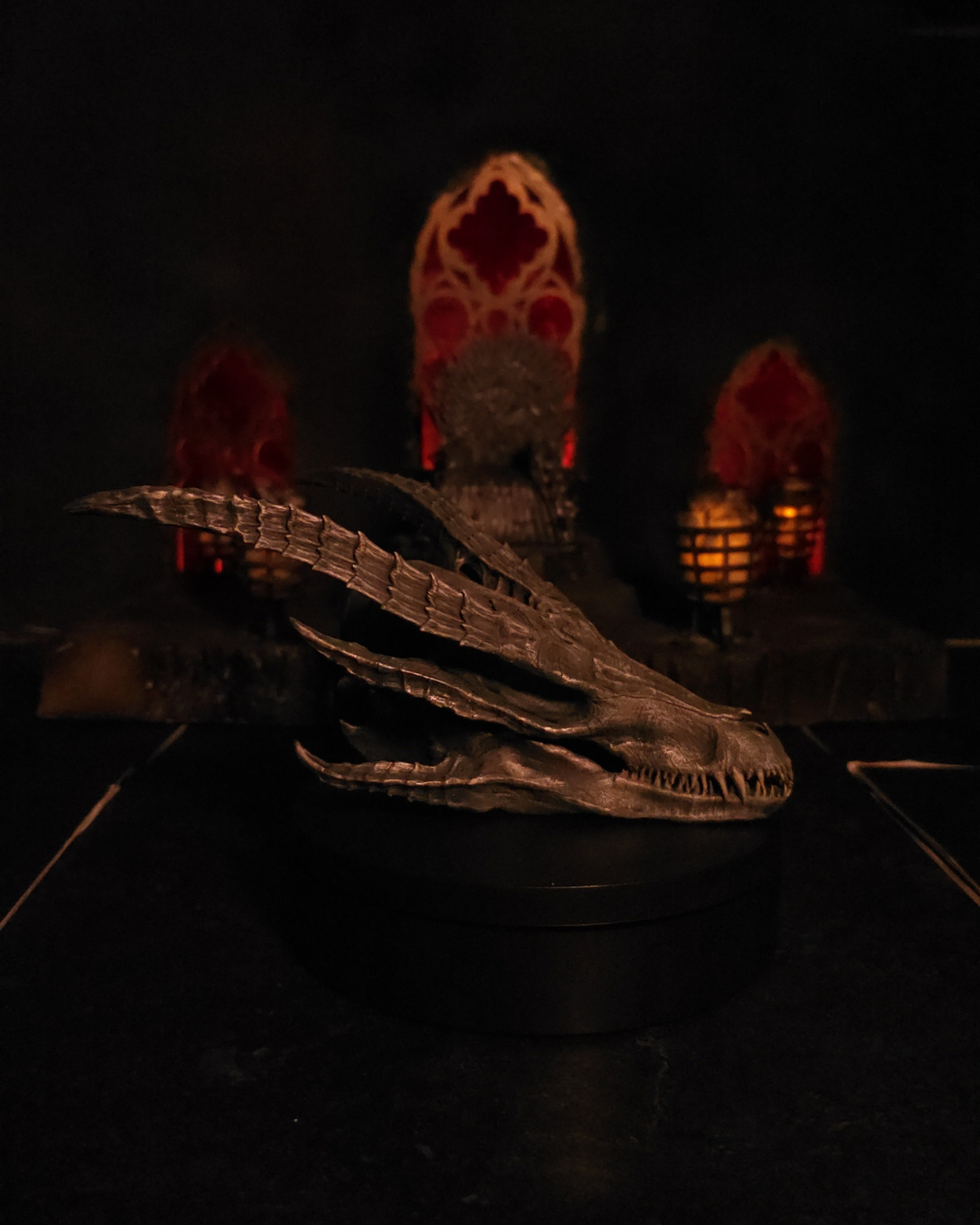
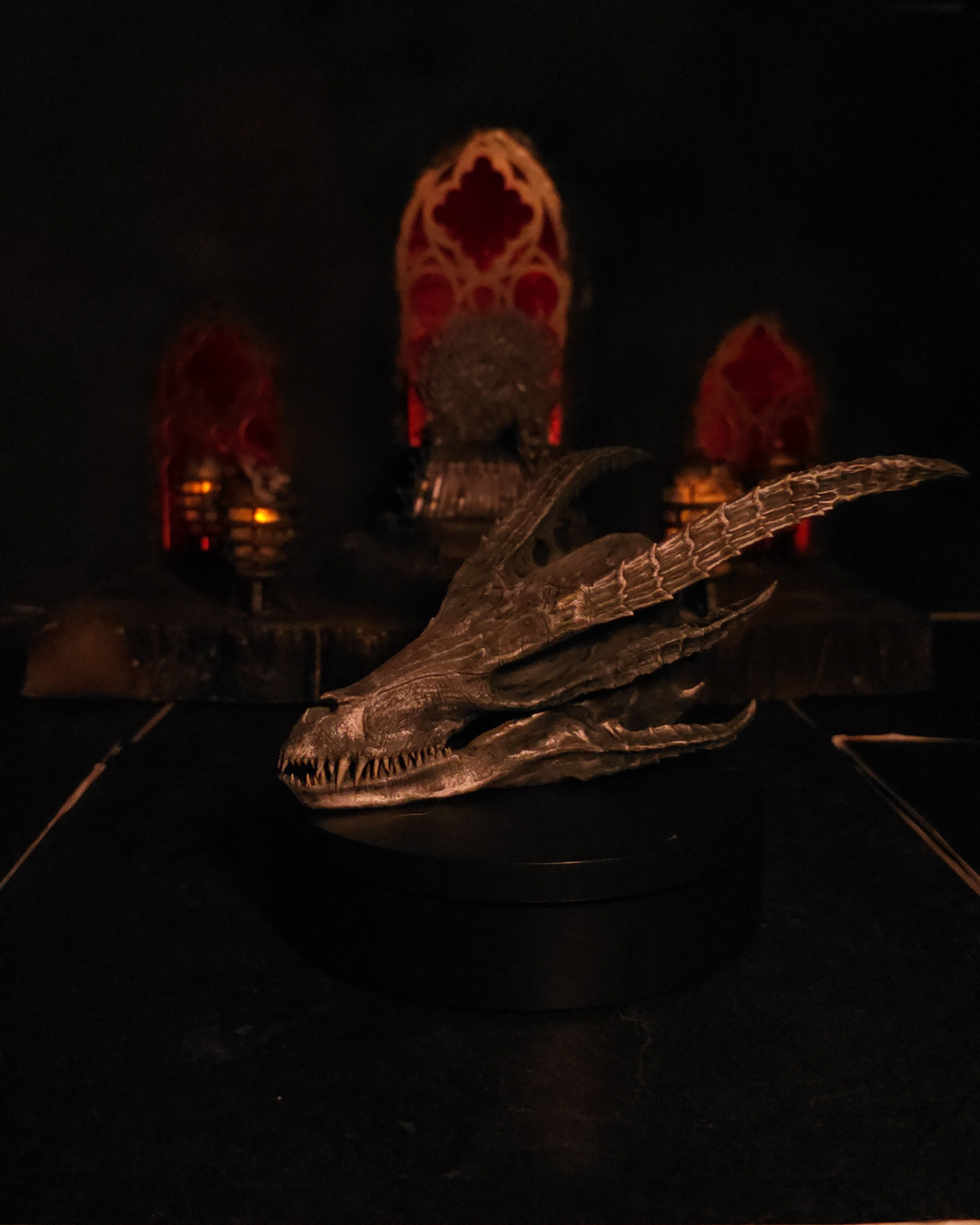
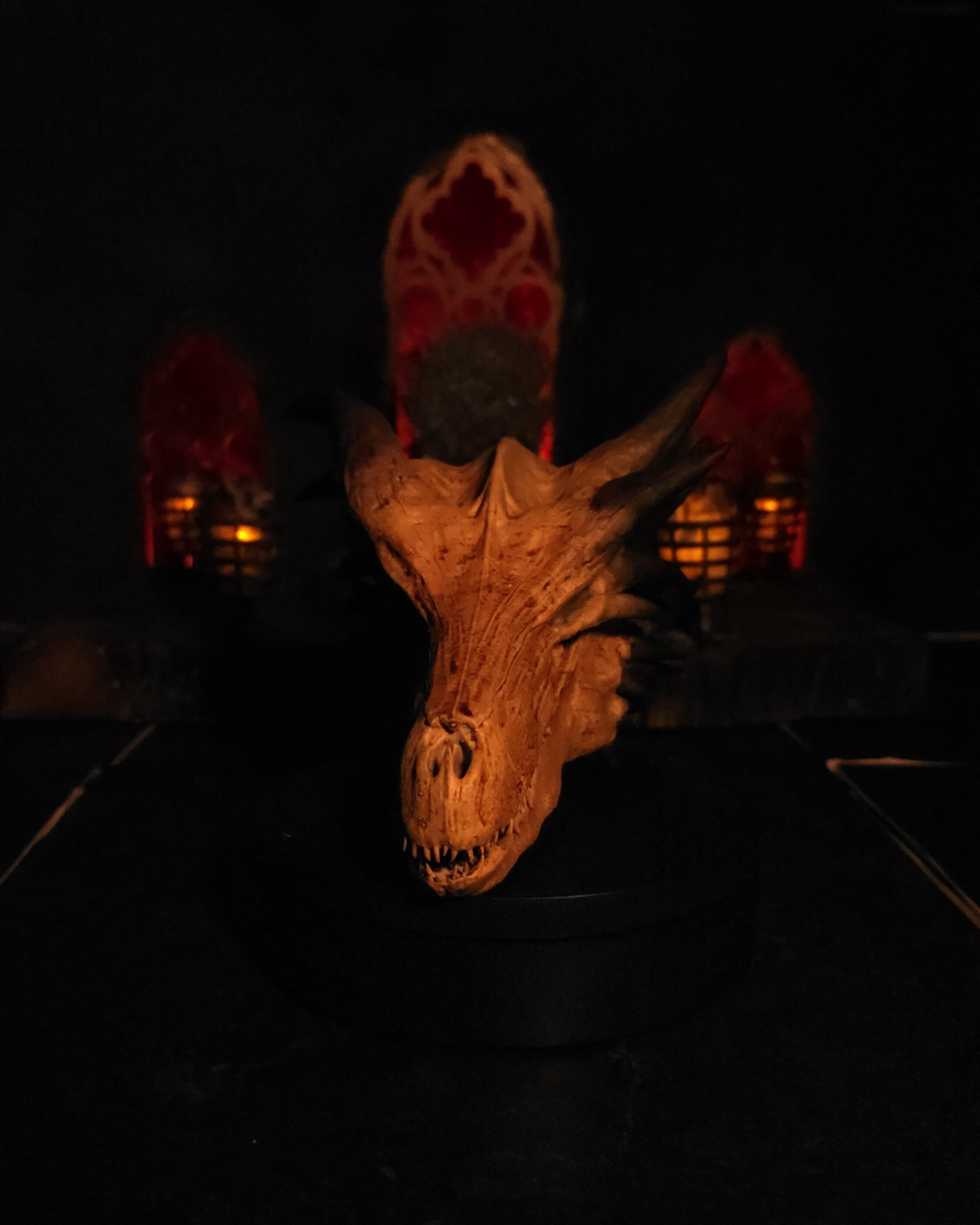
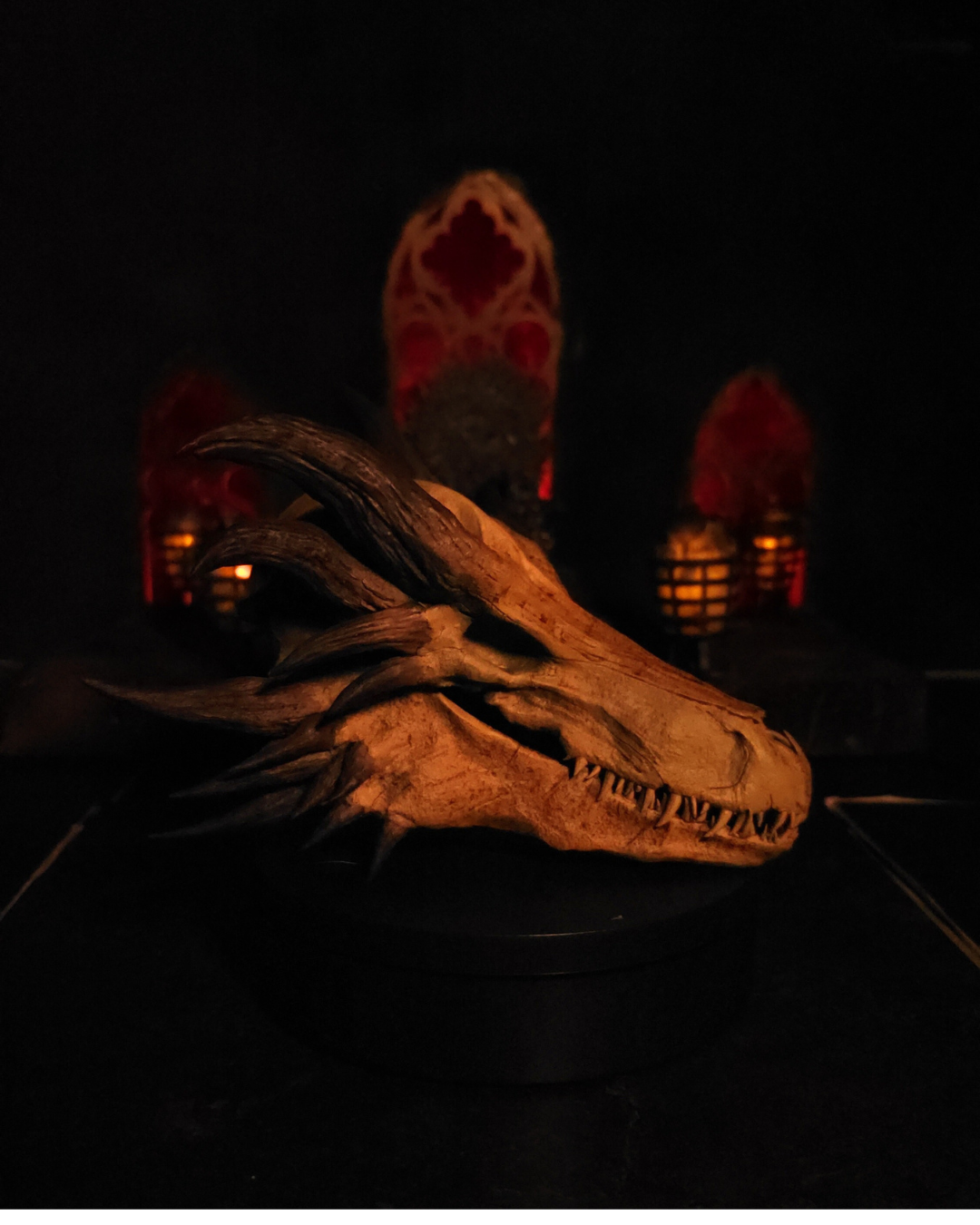
With the renewed interest in role-playing games, many Game Masters are looking to make their scenarios even more immersive. Nothing can replace the magic of a creature placed on the table, ready to engage in epic combat or embody a mythical enemy from another world. With this in mind, I offer handcrafted, sculpted, printed, and hand-painted miniatures on antredudragondairain.com: dragons, fantastic monsters, supernatural creatures. To bring your role-playing game worlds to life, just contact me on Instagram @dragon.dairain.figurine or by email lolli.margaux@hotmail.fr!
Each piece is made of high-quality resin, inspired by the aesthetics of fantasy, dark fantasy, and pop culture. They can serve as final bosses, familiars, monsters from the Upside Down, or even living artifacts to enrich your campaigns. For both GMs and players, these miniatures bring a strong visual dimension, matching the universes that *Stranger Things* is currently bringing to the forefront of RPG tables.
Conclusion — A New Lease of Life for Dungeons & Dragons
Stranger Things has achieved a daring feat: reviving enthusiasm for role-playing games in an era saturated with digital entertainment. By blending nostalgia, mystery, adventure, horror, and emotion, the series reminded us why role-playing games—and Dungeons & Dragons in particular—are much more than a simple pastime: they are an art form combining storytelling, collective imagination, and communion among players.
Today, whether you are a veteran or a beginner, whether you have dice in a drawer or a table ready, now is the perfect time to get started—and perhaps even create your own campaign, somewhere between Hawkins and the Upside Down.