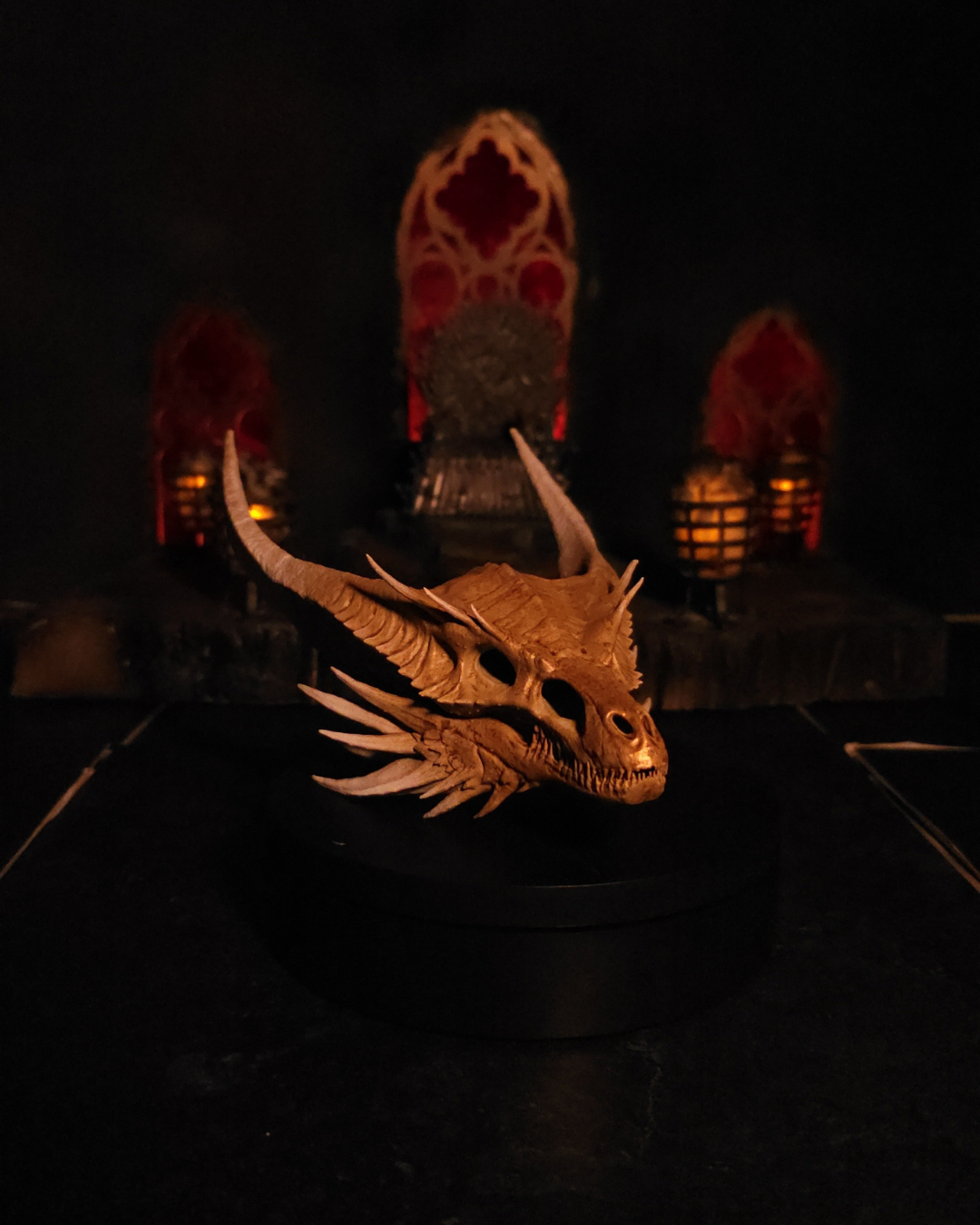
"Romantasy" – that perfect blend of romance and fantasy – has been in the spotlight for several years now, particularly within the BookTok and Bookstagram communities. Many novels go viral thanks to their covers, titles, and narrative tropes. But behind this craze lies a question: do romantasy clichés always constitute a winning formula, or are readers starting to tire of them? For romantasy lovers, the challenge is twofold: enjoying what is familiar while also longing for something new.
The Enduring Archetypes: Those Fans Never Tire Of
- Enemies-to-LoversProbably the most beloved archetype. Cutting verbal jousts, initial antagonism, and undeniable tension. According to the article "What is Romantasy?" on Reedsy, this archetype often works particularly well when combined with magical or political stakes.
- Soulmates / Magical DestinySoulmates bound by magic or prophecy. This cliché reassures readers who want to believe in an "inevitable" love story.
- The Reluctant ProtectorThe hero or heroine forced to protect someone... only to fall in love along the way. The conflict between duty and desire is irresistible.
- Hidden Identity / Secret PowersA character conceals their true origins, magical abilities, or royal status. The revelation maintains suspense.
- Slow-Burn RomanceNo instant love, but persistent tension: stolen glances, misunderstandings, obstacles. Readers savor the journey, not just the destination.
- Love TrianglesA protagonist torn between two suitors intensifies the emotional drama.
- Forbidden Magic and Dangerous PactsDark bargains, cursed spells, taboo powers – these elements complicate the romance by adding supernatural consequences.
- Immersive World-Building with High StakesWhether it's war, politics, or the survival of a kingdom, the fantasy setting must be rich and captivating. Romance flourishes when the world has an epic dimension.
Why Clichés Still Work for "Romantasy" Lovers
- Comfort and Familiarity: In an uncertain world, familiar tropes offer a refuge. Readers know what to expect (drama, romance, magic), which facilitates immersion.
- Guaranteed Emotional Tension: Archetypes are designed to provide "mini-heartbreaks" – longing, frustration, anticipation, joy. Perfect for viral content on BookTok and Bookstagram.
- Marketing Appeal: Recognizable covers and easy-to-pitch plots make books using these archetypes highly shareable ("if you liked X, you'll love Y").
The Downside: When Readers Get Tired
- Saturation and PredictabilityWith too many novels repeating the same patterns (love affairs with a dark lord or royal rebellions), stories risk blending together.
- Flat or Stereotypical CharactersThe brooding bad boy, the overly "strong" but depthless heroine – readers are increasingly demanding more nuance and autonomy.
- Demand for Originality and DiversityMore and more readers want to discover non-Western worlds, LGBTQ+ representation, and characters that break free from the default "white/hetero" mold.
- Unsatisfied ExpectationsSometimes, the romance overshadows the fantasy world-building, leaving readers frustrated when the magical stakes seem superficial.
- Negative Reactions on Social MediaOn BookTok and Bookstagram, posts often criticize generic ACOTAR-like covers or "Fourth Wing imitations." The keyword romantasy lovers often comes up in discussions calling for innovation.
How to Use Clichés Without Tiring Readers
- Play with narrative voice: change perspective, use letters or diaries, or adopt unusual viewpoints.
- Subvert expectations: an "enemies-to-lovers" arc where the enemy remains morally complex, or a "soulmates" trope where destiny is questioned.
- Focus on world-building: make the politics, magic, and fantasy cultures as immersive as the romance.
- Develop secondary characters and the "found family": subplots can add richness and contrast to the main romance.
- Find the balance between slow progression and reward: don't rush the steamy scenes – let the tension build.
- Prioritize inclusivity: broaden representation across cultures, identities, and orientations to avoid falling into outdated stereotypes.
For "romantasy" lovers, clichés are not enemies: they are part of the genre's charm. But when overused without innovation, they risk alienating readers. The recipe still works: it reassures, entertains, and goes viral. Yet, to remain memorable, "romantasy" must strike a balance between comfort and creativity, offering readers both the tropes they adore and the surprises they didn't expect.