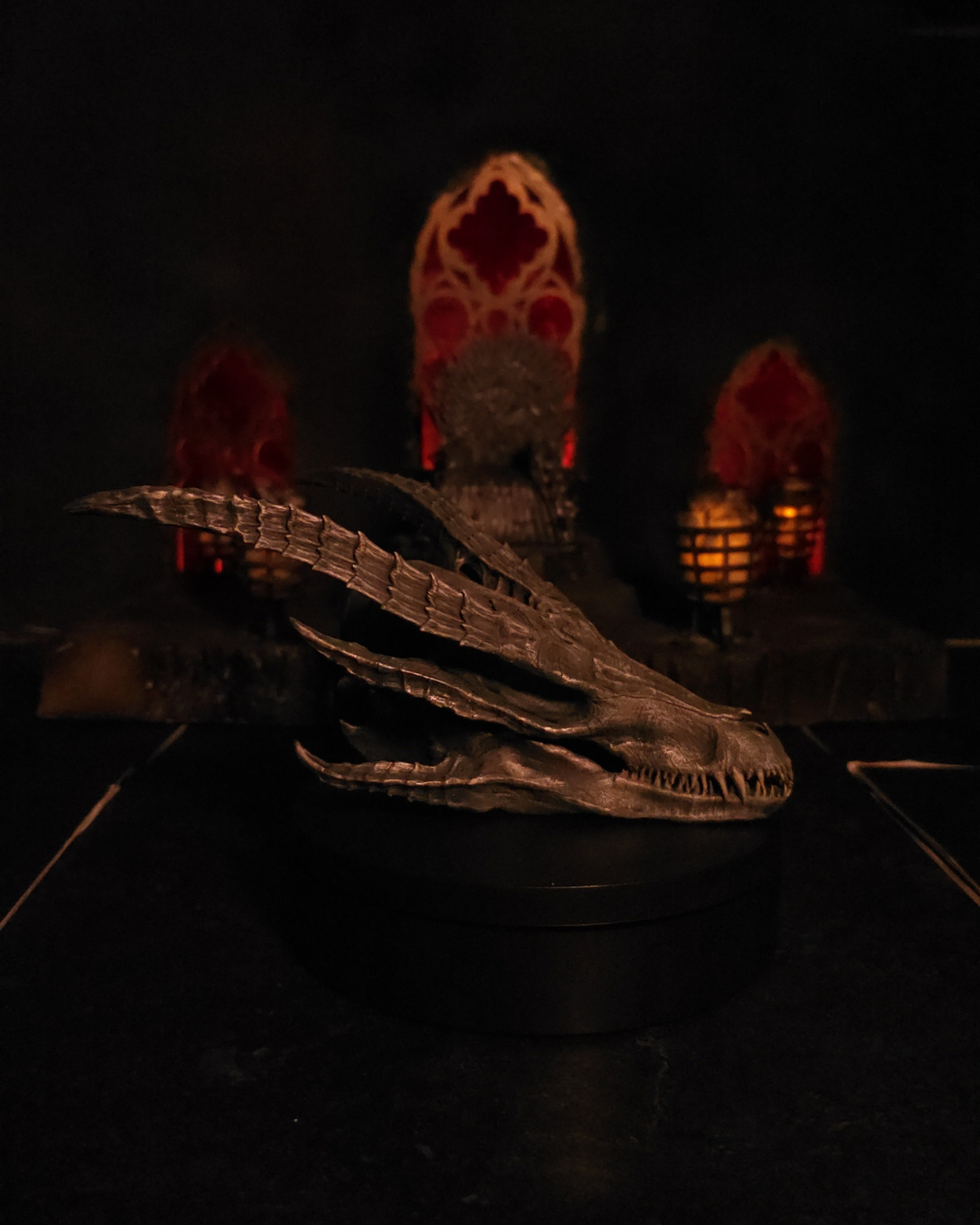
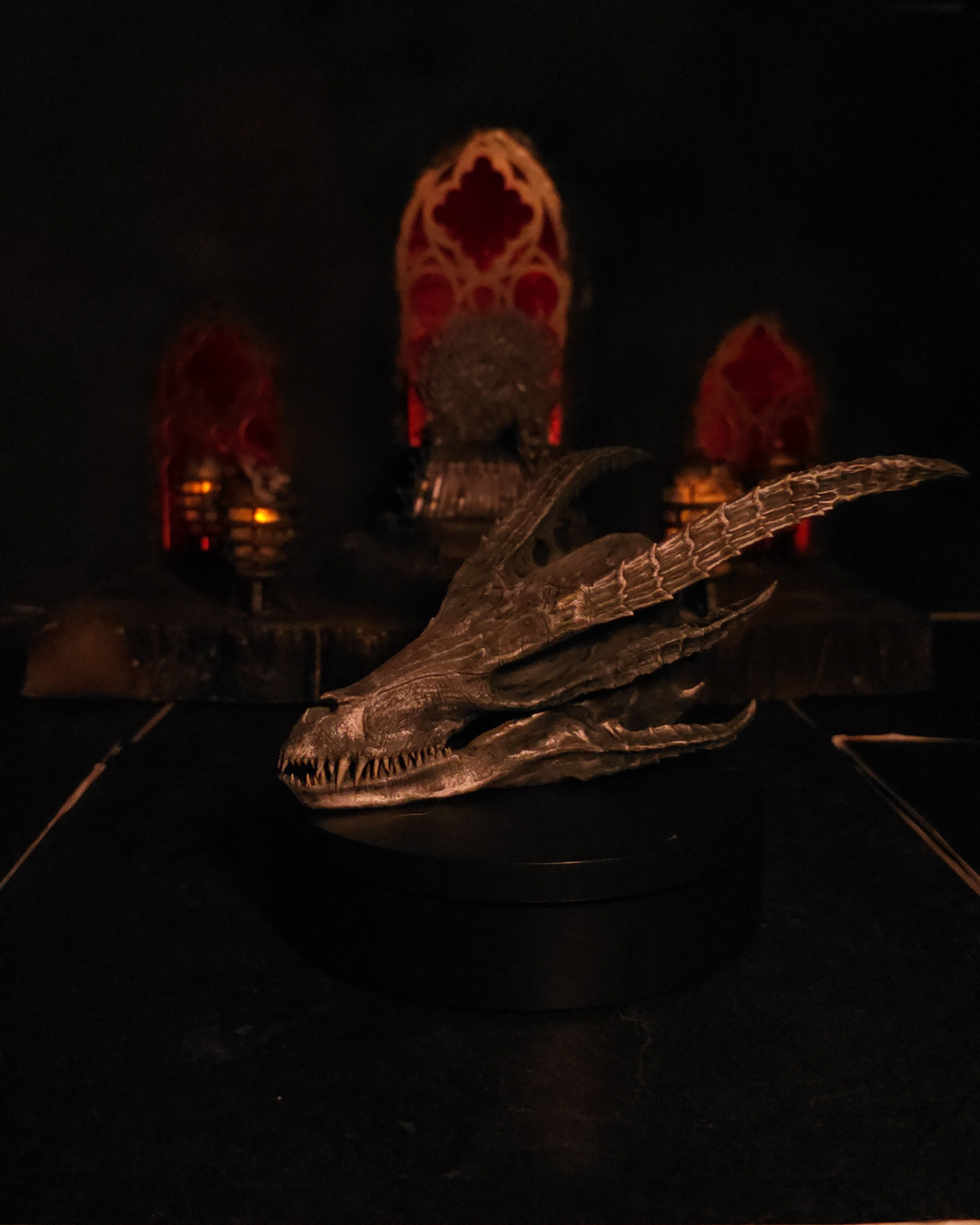
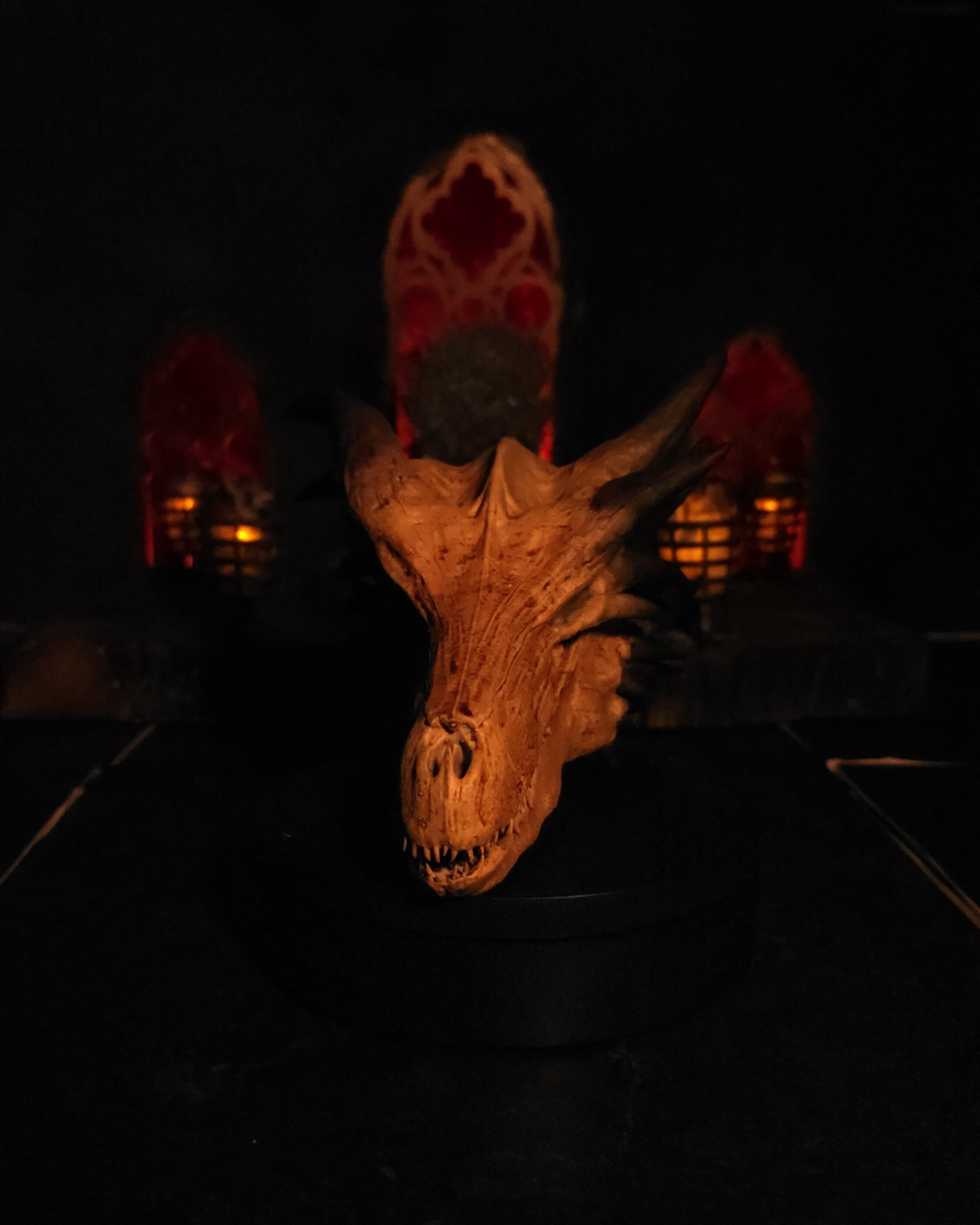
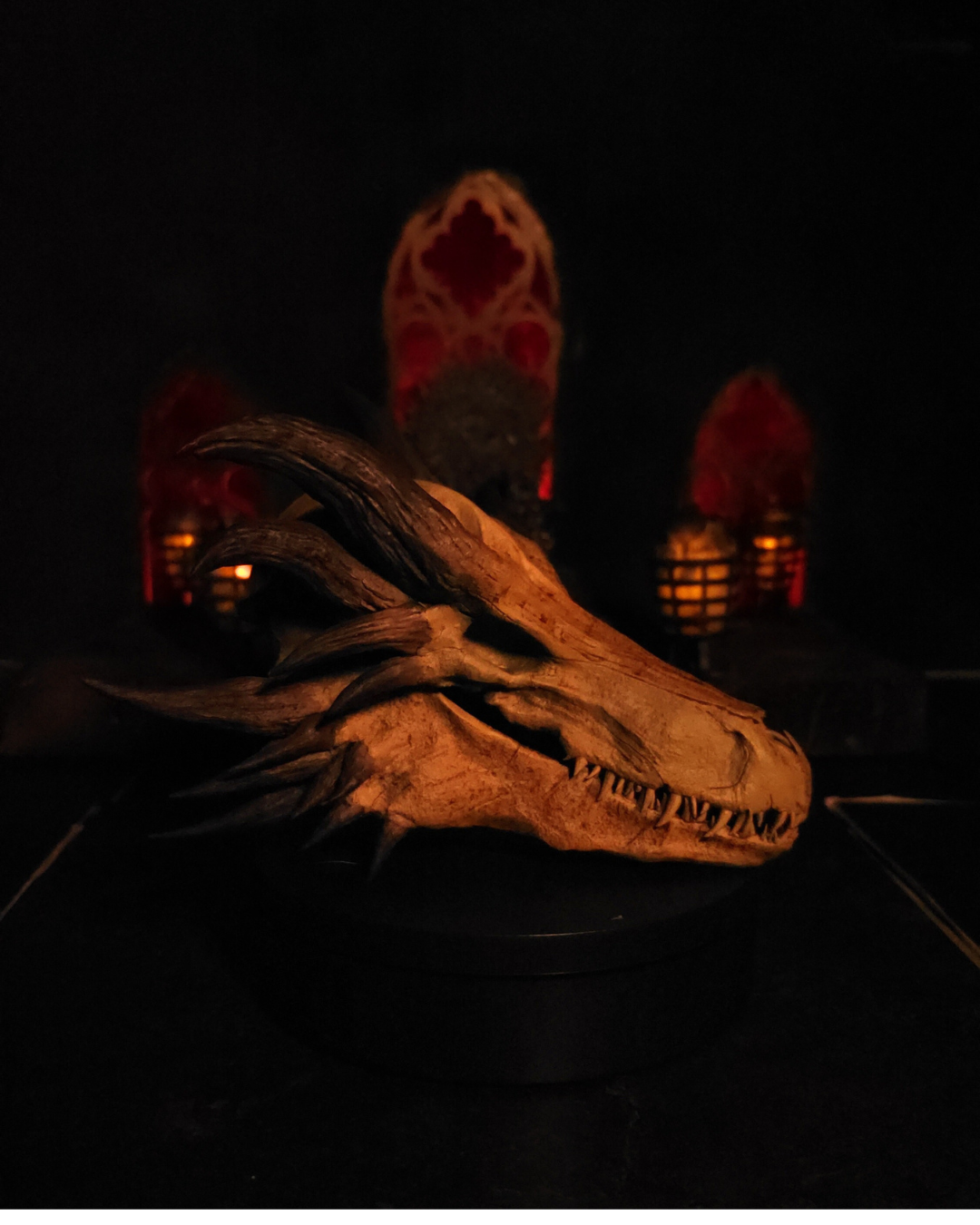
In the world of collectible figurines and statues, some pieces reach astronomical prices. But why? Several factors determine a figurine's value: from its history to its condition, as well as market demand.
The Role of Rarity and Limited Editions
Rarity sells. A statue produced in very small numbers (100, 500 copies maximum) quickly becomes highly sought after—especially if it's never re-released. Limited editions and event exclusives (like SDCC Funko Pops or Sideshow/Prime 1 statues) are prime examples of this phenomenon.
Creator and Origin: A Mark of Value
Figurines signed by renowned artists (Royal Doulton, Lladró, Meissen…) or made by prestigious creators gain value due to their name. A well-known artist guarantees both quality and appeal.
Materials and Craftsmanship: What Makes the Difference?
- Porcelain (Lladró, Hummel, Herend) and Swarovski crystal attract collectors with their refined craftsmanship.
- Resin and vinyl, common in modern anime and pop culture figurines, also gain value when offered as limited collector's editions.
Condition Matters—and Not Just a Little Bit
A figurine in perfect, new condition, preferably still in its original packaging, will sell for much more. Even slight damage (scratches, missing accessories, dented box) significantly reduces its value.
The Original Box: A Hidden Asset
Collectors place great importance on the original box, as it authenticates, protects, and enhances the figurine. A complete figurine with its original packaging generates much more interest.
Age and Historical Context
Vintage charm also adds value. Older figurines (toy soldiers, 1930s Hummel figurines, etc.) acquire a certain historical aura that drives up their price—especially those manufactured shortly before production lines ceased.
Emotional Value and Fan Community
The emotional connection associated with certain characters or brands should not be underestimated. Collectors often seek figurines for personal or nostalgic reasons. The fan community also contributes to perceived value—especially in universes such as anime, comics, or fantasy.
Market Demand and Trends
A figurine's value also depends on its current popularity. If a franchise like Marvel, Godzilla, or a specific anime series goes viral, demand—and prices—skyrocket. Market trends, movies, series, and collector enthusiasm play a considerable role.
Which Figurines Gain the Most Value?
Classic Porcelain: Lladró, Hummel, Herend
High-end porcelain figurines from brands such as Lladró (Spain), Hummel (Germany), or Herend (Hungary) are highly sought after by collectors. First editions or rare pieces can easily sell for hundreds, or even thousands of euros.
Crystal Figurines: Swarovski
Swarovski is renowned for its collectible crystal figurines, particularly its annual limited editions (SCS), which are extremely prized by collectors.
Modern Figurines and Pop Culture
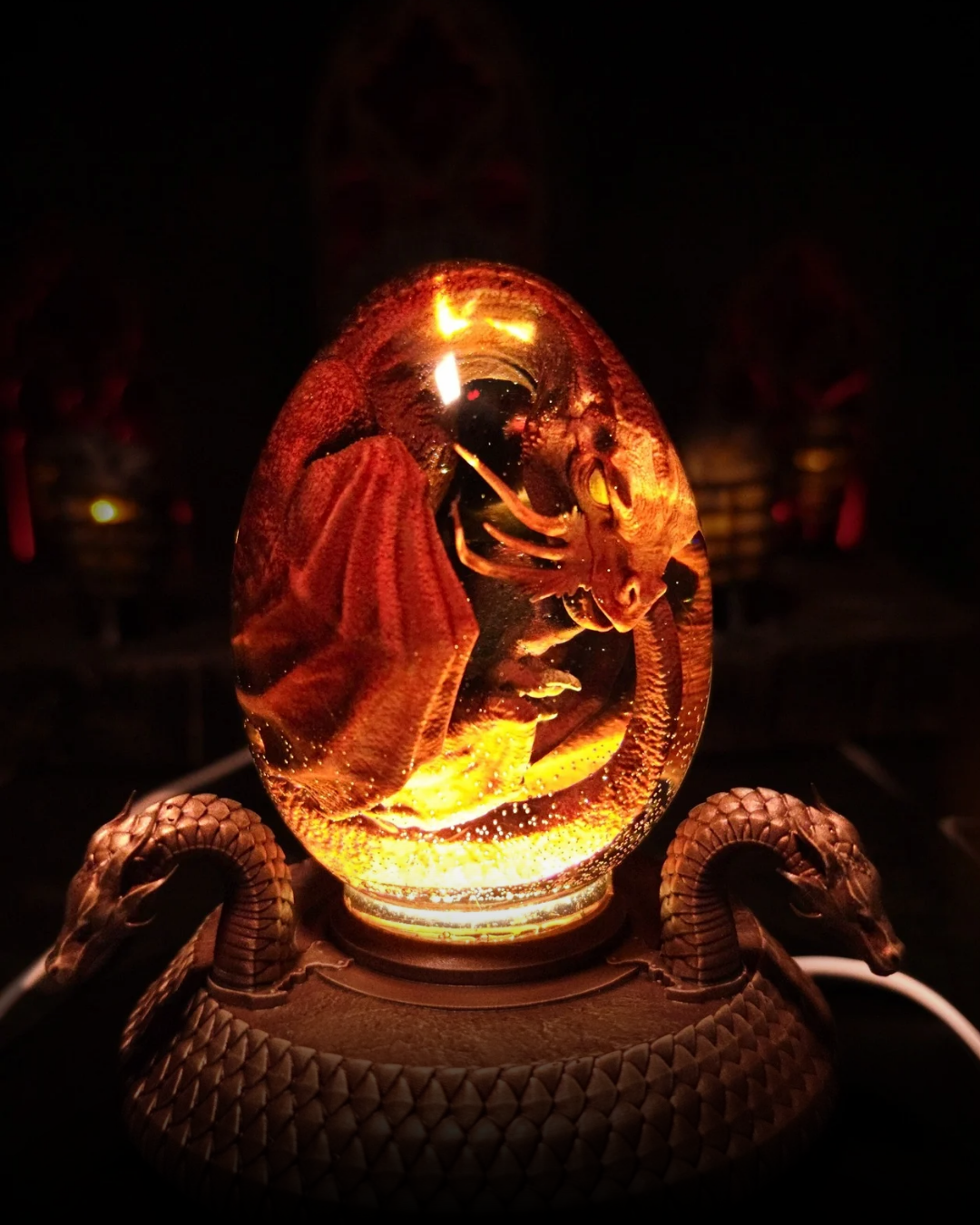
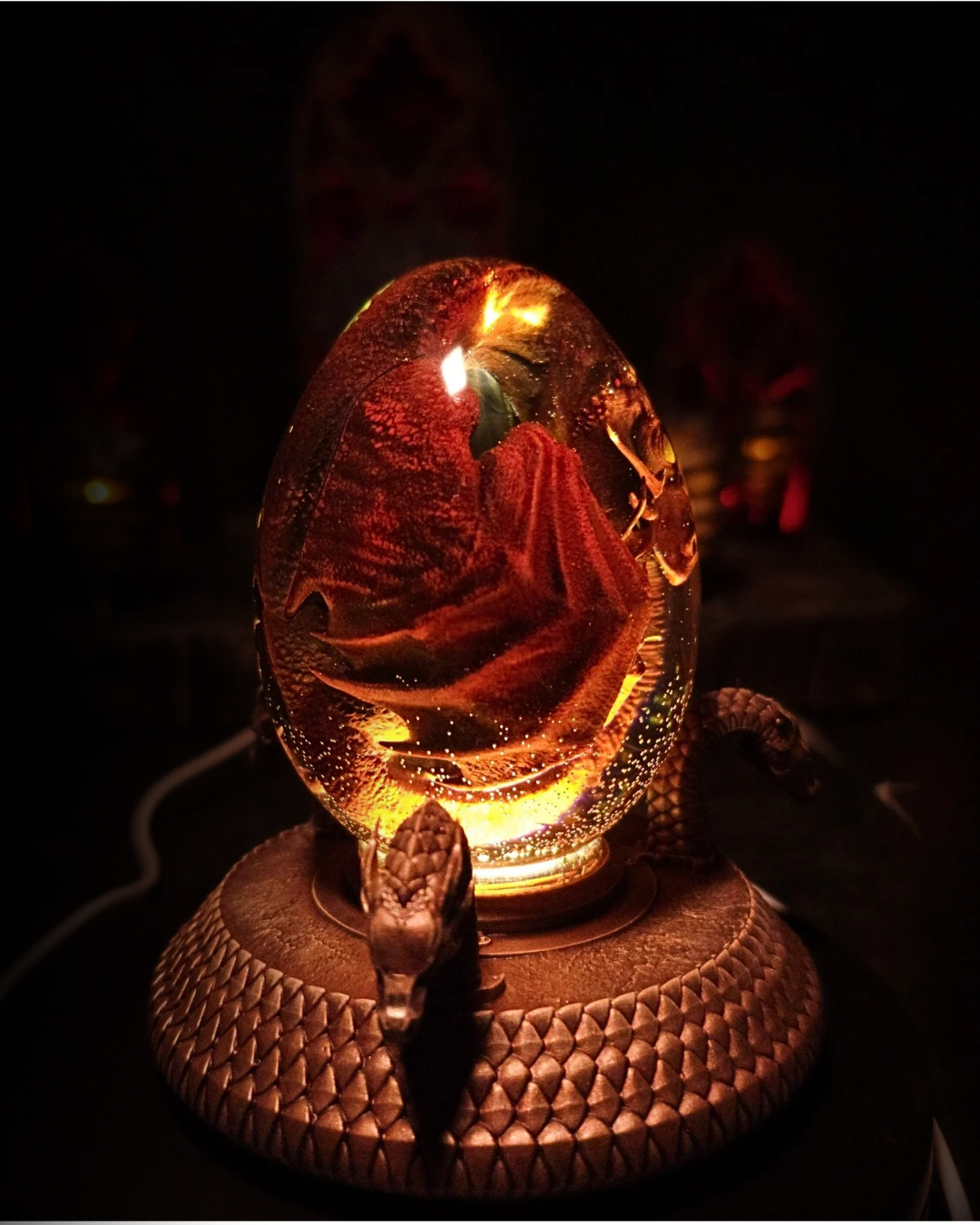
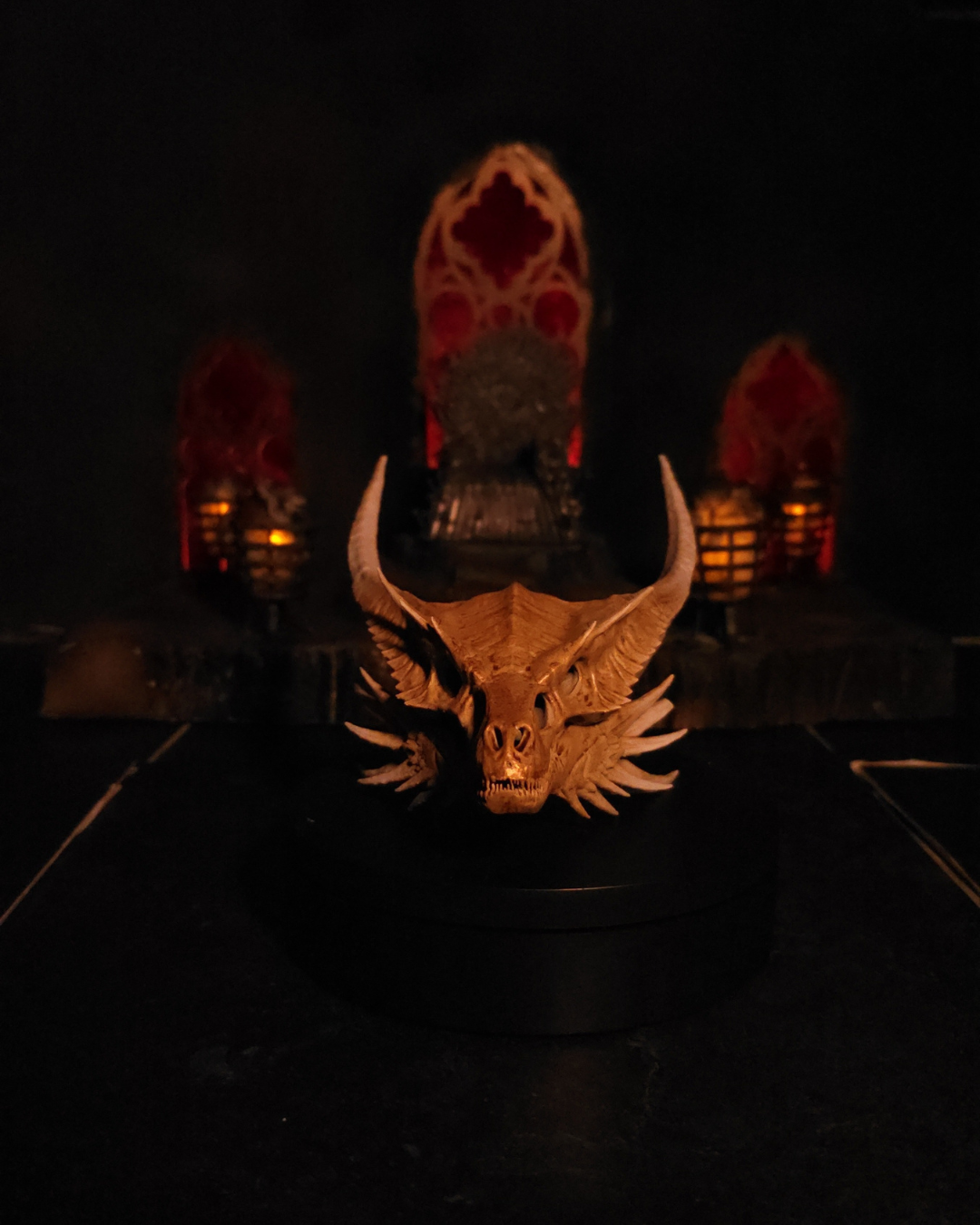
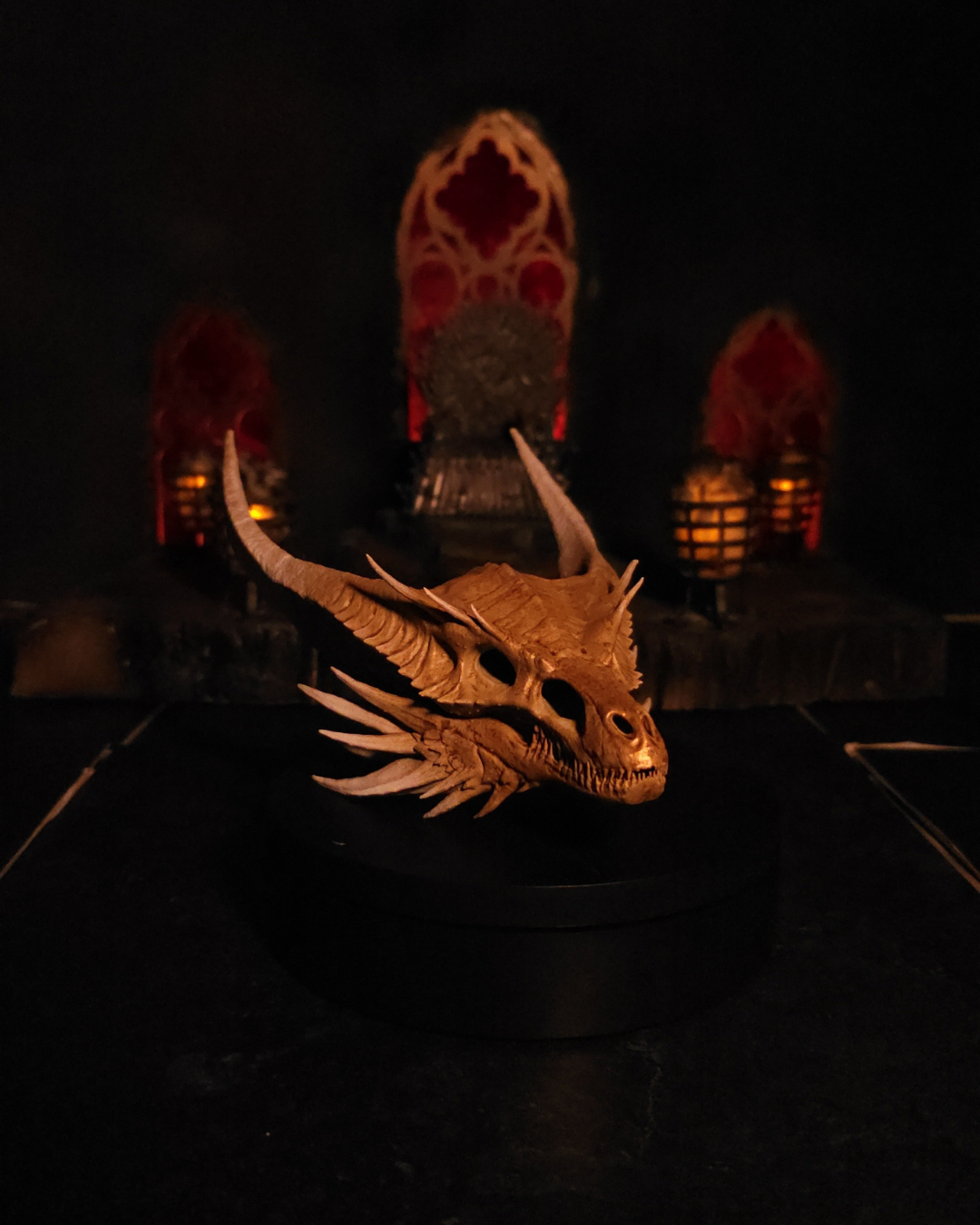
Modern franchises such as Funko Pop, Hot Toys, Good Smile (Nendoroid, Figma), or Sideshow/Prime 1 statues often gain significant value when released as limited or exclusive editions.
Vintage Toys and Retro Collectibles
Vintage items such as old toy soldiers, McDonald's toys, bobbleheads, or tin toys (e.g., Gigantor) are highly sought after—especially when in good condition and in their original packaging.
Passing Fads and Figurines with High Sentimental Value
Some figurines, like Precious Moments or Beanie Babies, were subject to ephemeral collector fads. A few rare models have retained their value, but most have not.
How to Assess a Figurine's Value
1. Check the Condition
Inspect it for any damage (chips, scratches) and assess the quality of the packaging. Condition can account for up to 70% of a figurine's resale value.
2. Identify the Model
Look for manufacturer marks, serial numbers, copyright stamps (TMK for Hummel), artist signatures, or certificates of authenticity.
3. Evaluate Rarity
Limited edition figurines or those no longer marketed generally have more value. Check if a figurine has been re-released, which can lower its value.
4. Analyze Demand
Use platforms like eBay, collector forums, and specialized tools (Collectibles Database, Auction Ninja) to compare advertised prices and selling prices of similar figurines.
5. Follow Trends
Stay informed about new movie releases, anime series, video game launches, and collector conventions (like Japan Expo) to spot future increases in value.
Tips for Collectors and Resellers
- Buy figurines in perfect or new condition, ideally with their original box—they always have more value.
- Choose popular franchises: Marvel, Star Wars, anime universes, or Disney properties often have strong resale potential.
- Keep all documents and packaging: rare licenses accompanied by seals or certificates of origin add considerable value.
- Use the right resale channels: eBay, Reddit communities, collector groups, or specialized marketplaces like AmiAmi for Japanese items.
A collectible figurine or statue can gain value through a unique combination of rarity, craftsmanship, condition, creator, and popularity. A well-preserved limited edition figurine from a highly sought-after franchise, carefully crafted from quality materials, has a real chance of increasing in value over time. But beyond monetary value, a collector's greatest reward lies in the emotional and artistic connection they have with the pieces they cherish.
Source:
- Gifting-Online.ca – Tips for valuing antique figurines.
- Better Homes & Gardens (bhg.com) – 90s items that are now valuable.
- The Sun UK – List of toys and figurines worth money.
- Giant-Sculptures.com – Types of figurines and materials (resin, porcelain, crystal).
- Japan-Figure.com – Anime figurine market, rare pieces.
- Apprendre-la-peinture-sur-figurine.com – Importance of the box, "mint" condition, collection.
- Reddit and specialized forums (eBay, Warhammer, Sideshow Collectors) – Sentimental value and market trends.
- Investopedia – Fads and speculative bubbles in collectibles.
- Figurinemangafrance.fr – Ranking of the most expensive anime figurines.
- Wikipedia – History of manufacturers (Lladró, Hummel…).