Introduction
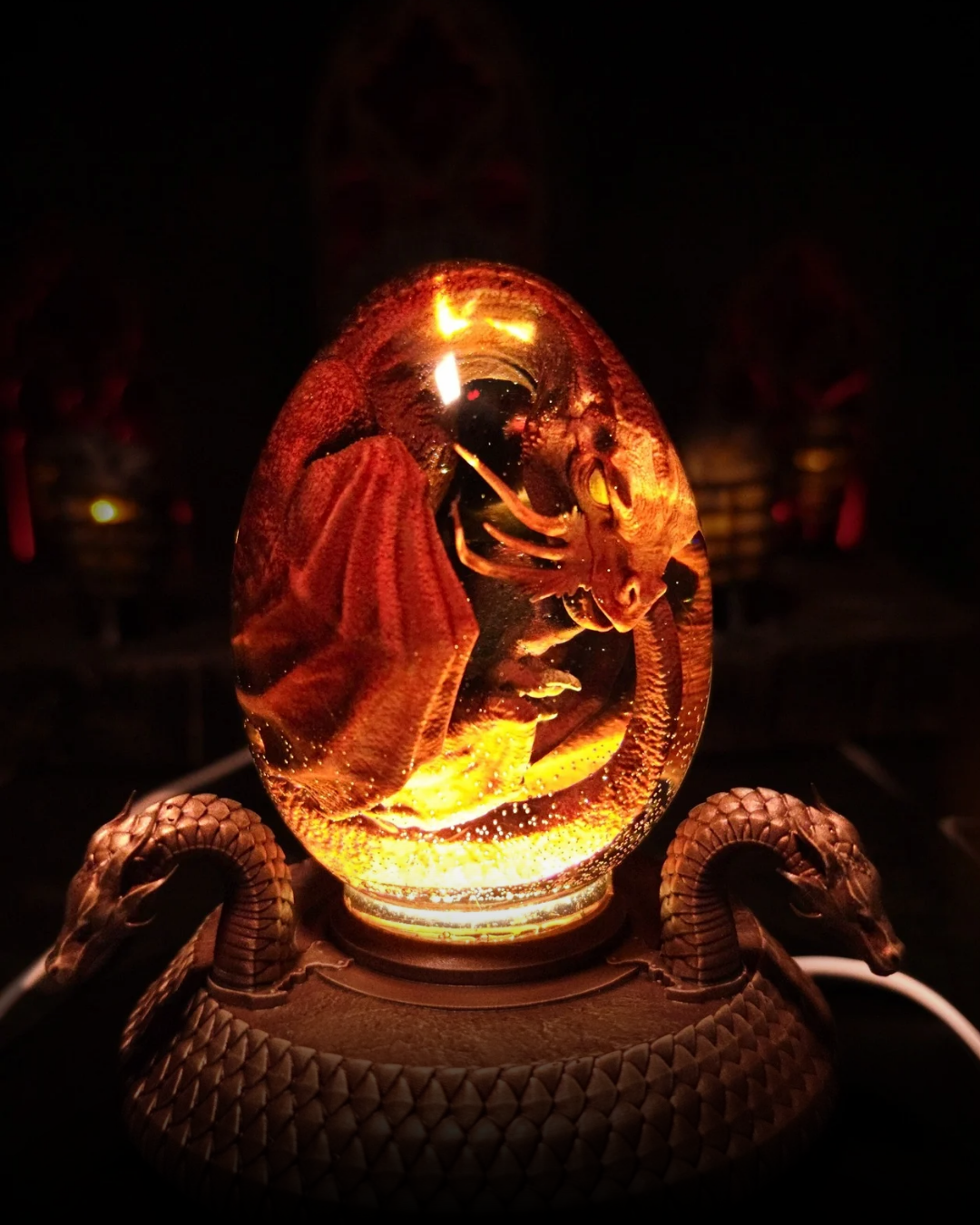
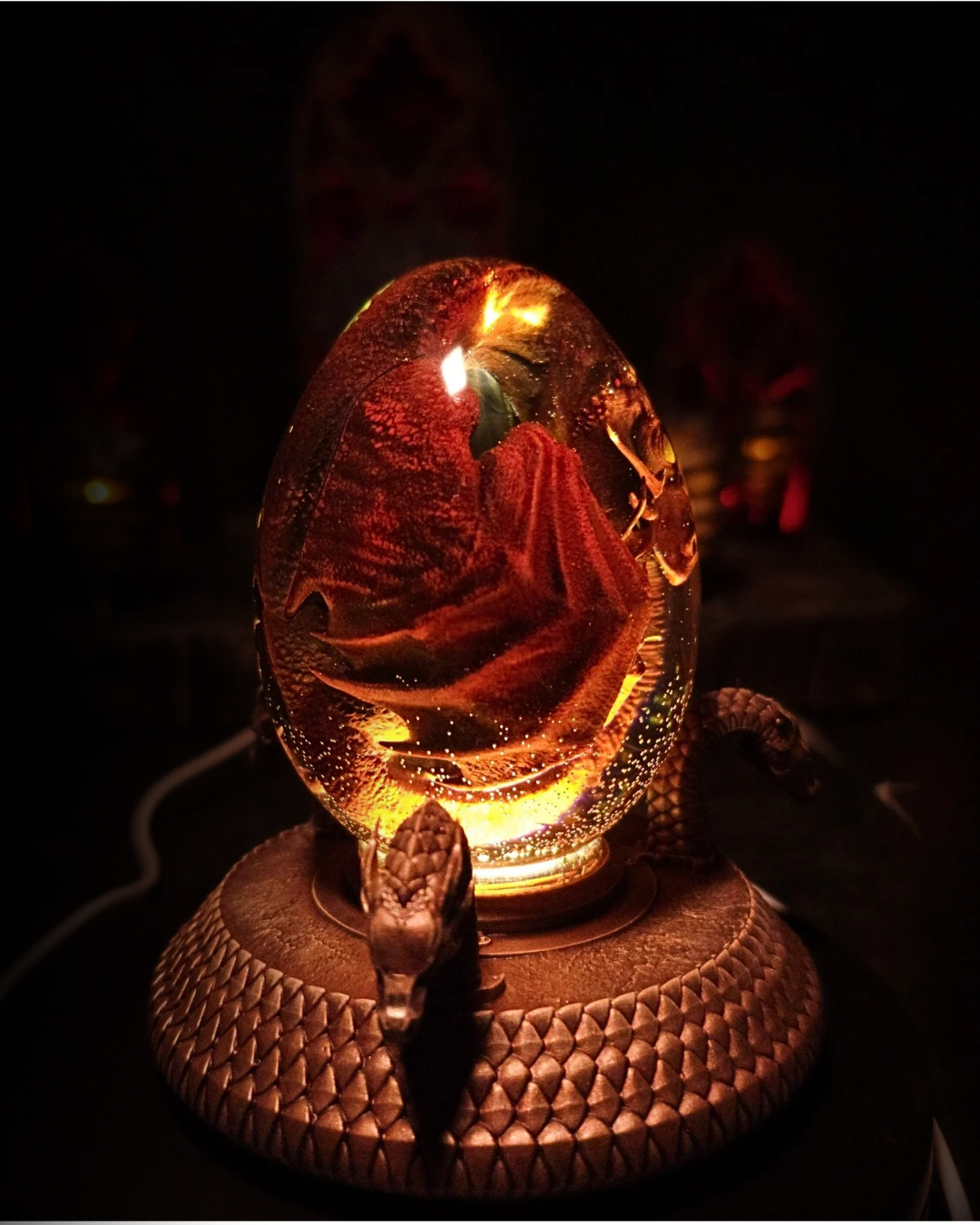
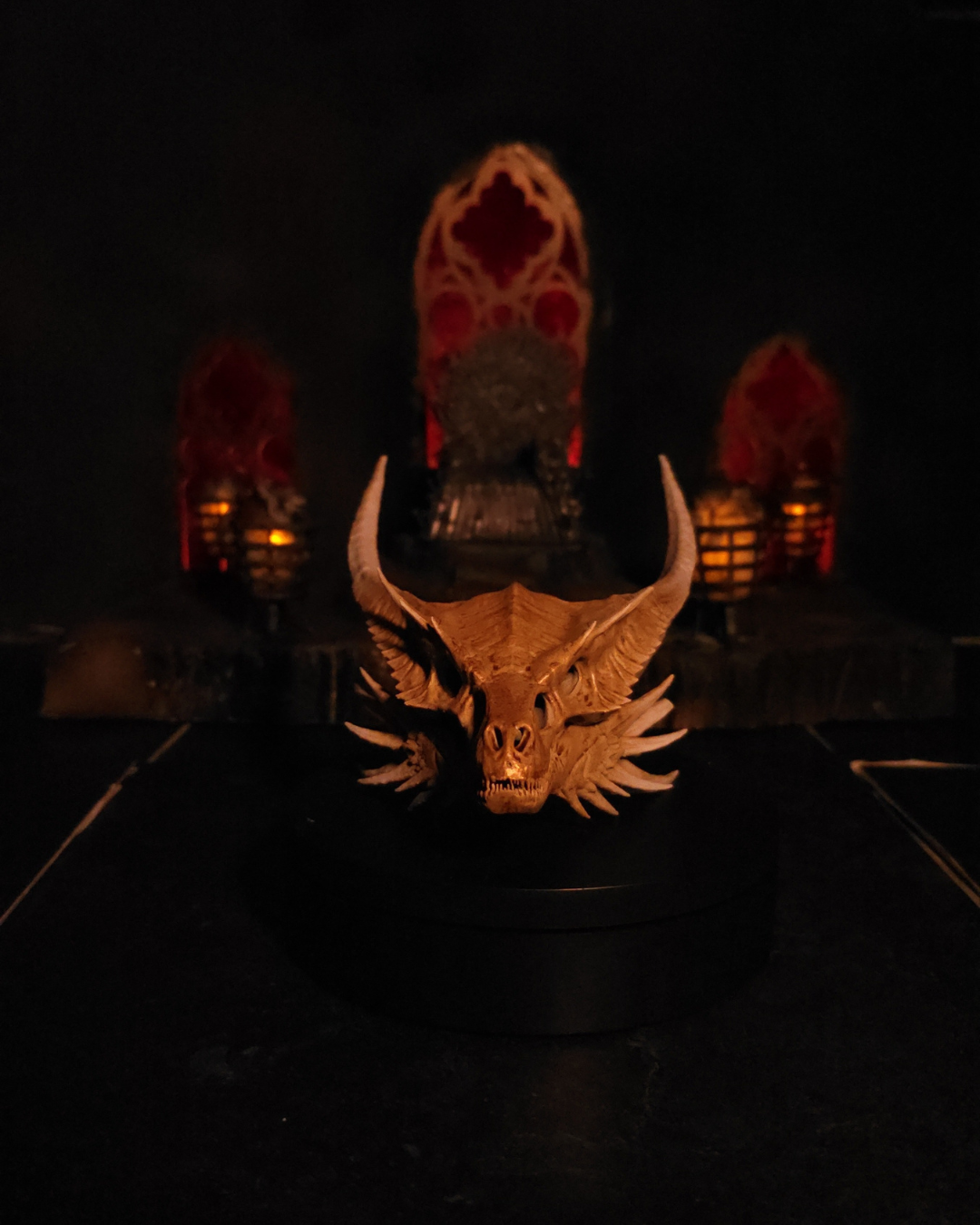
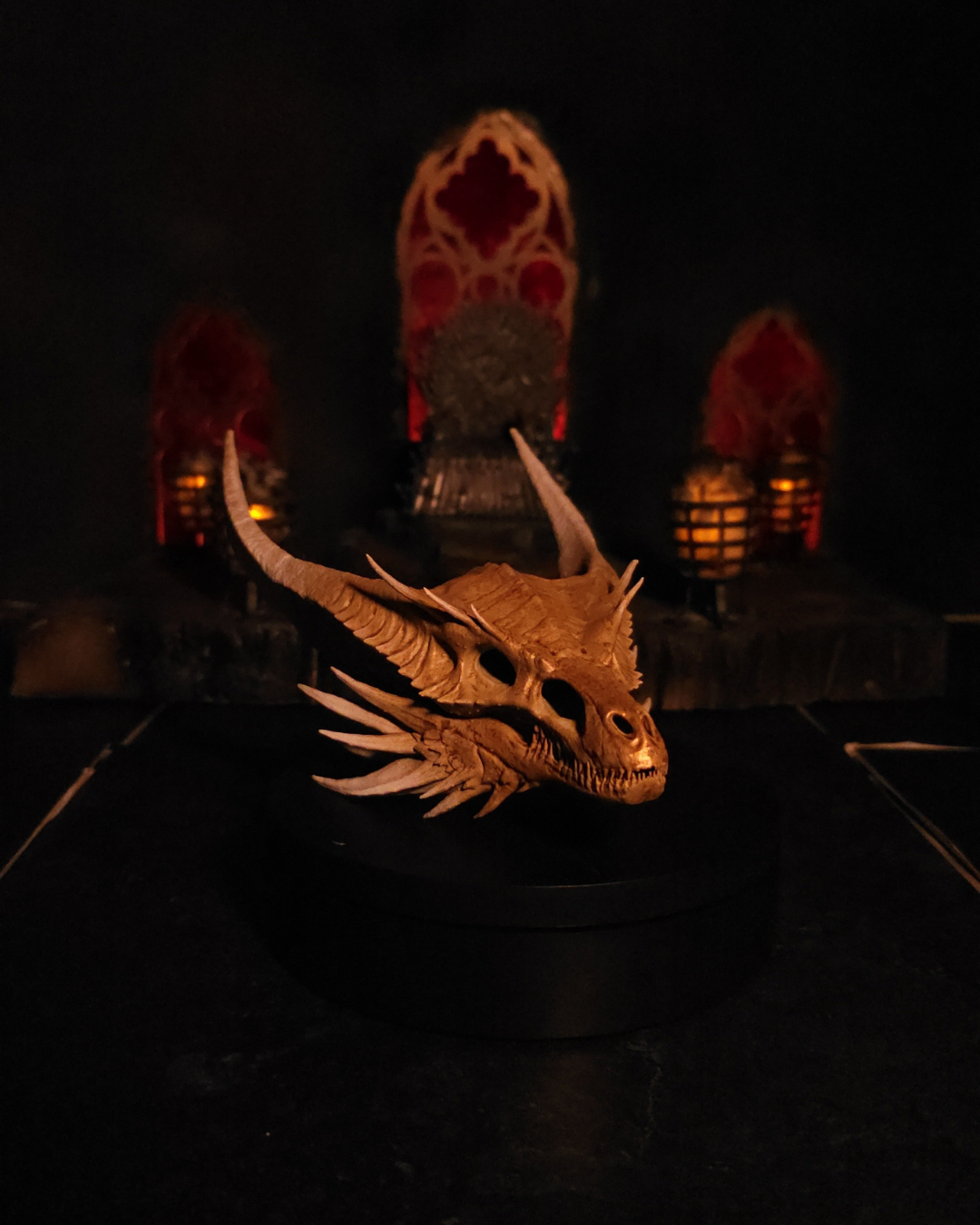
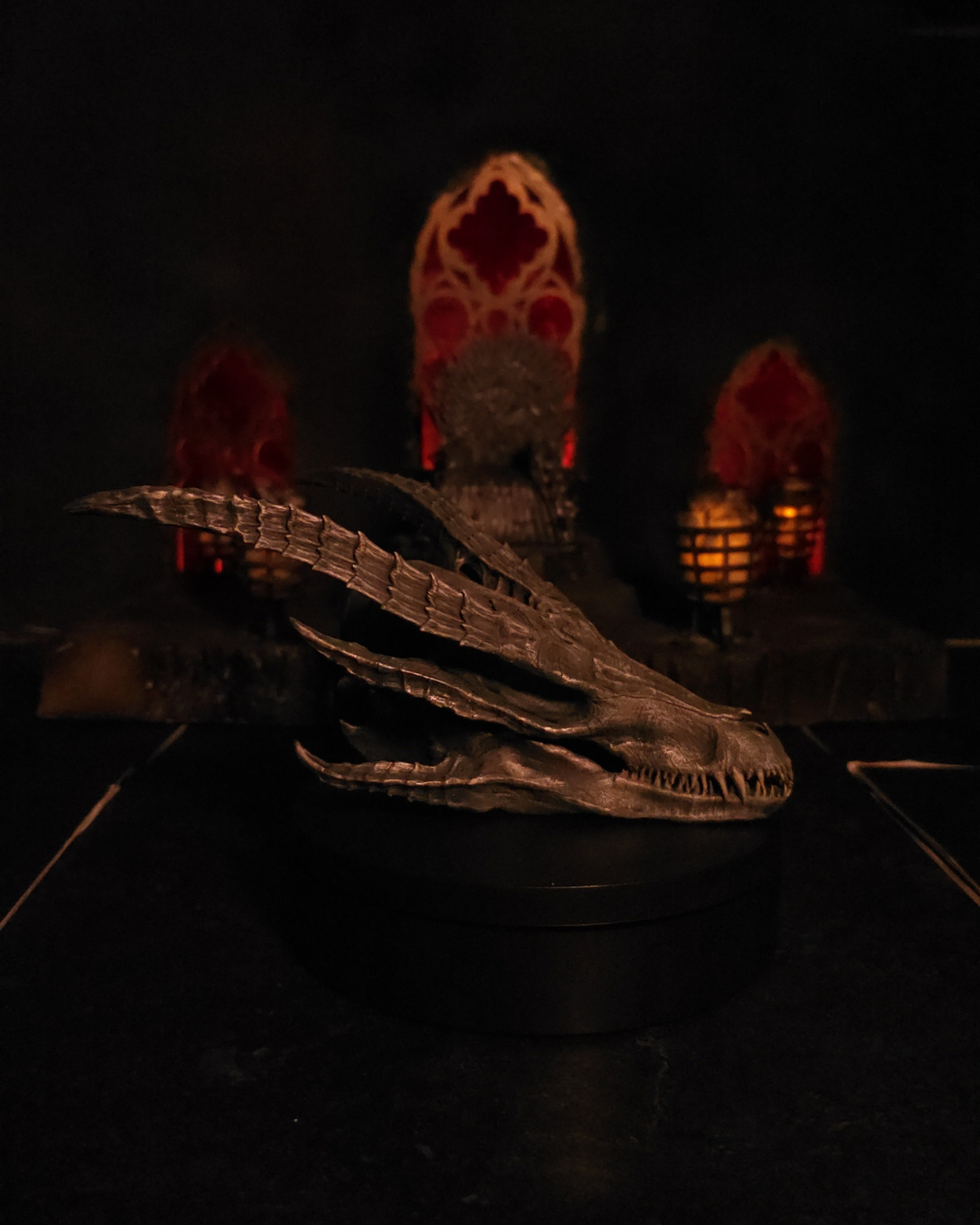
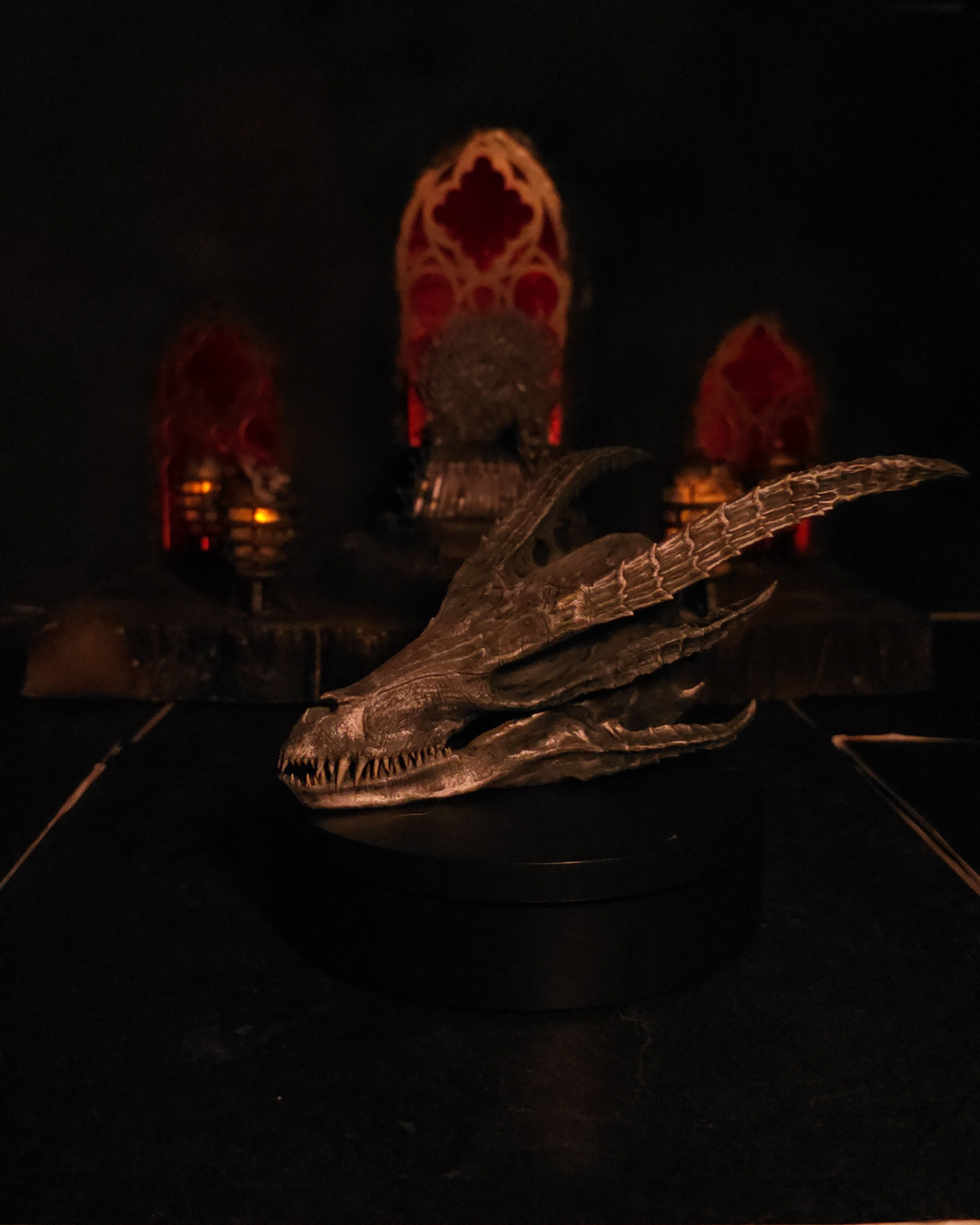
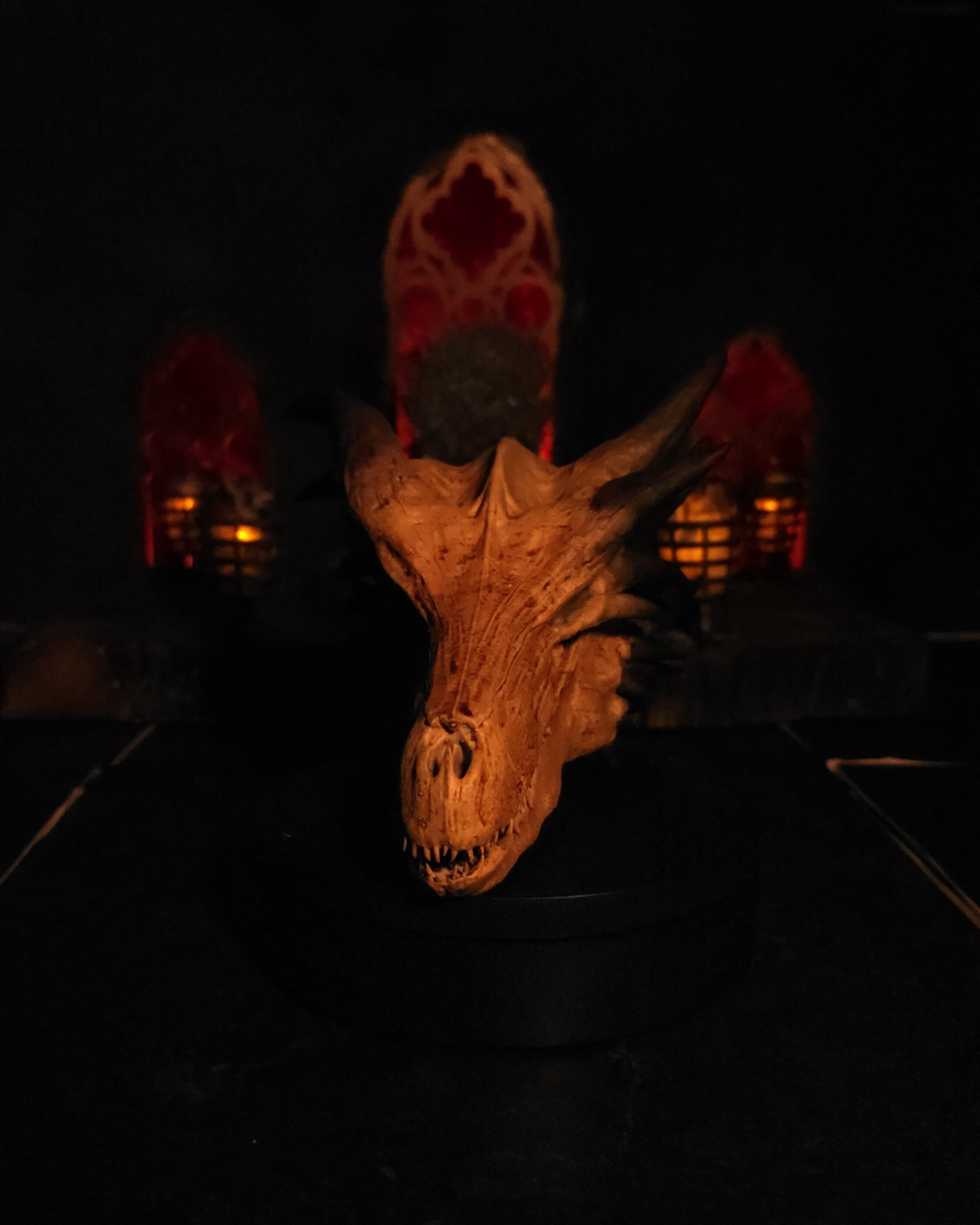
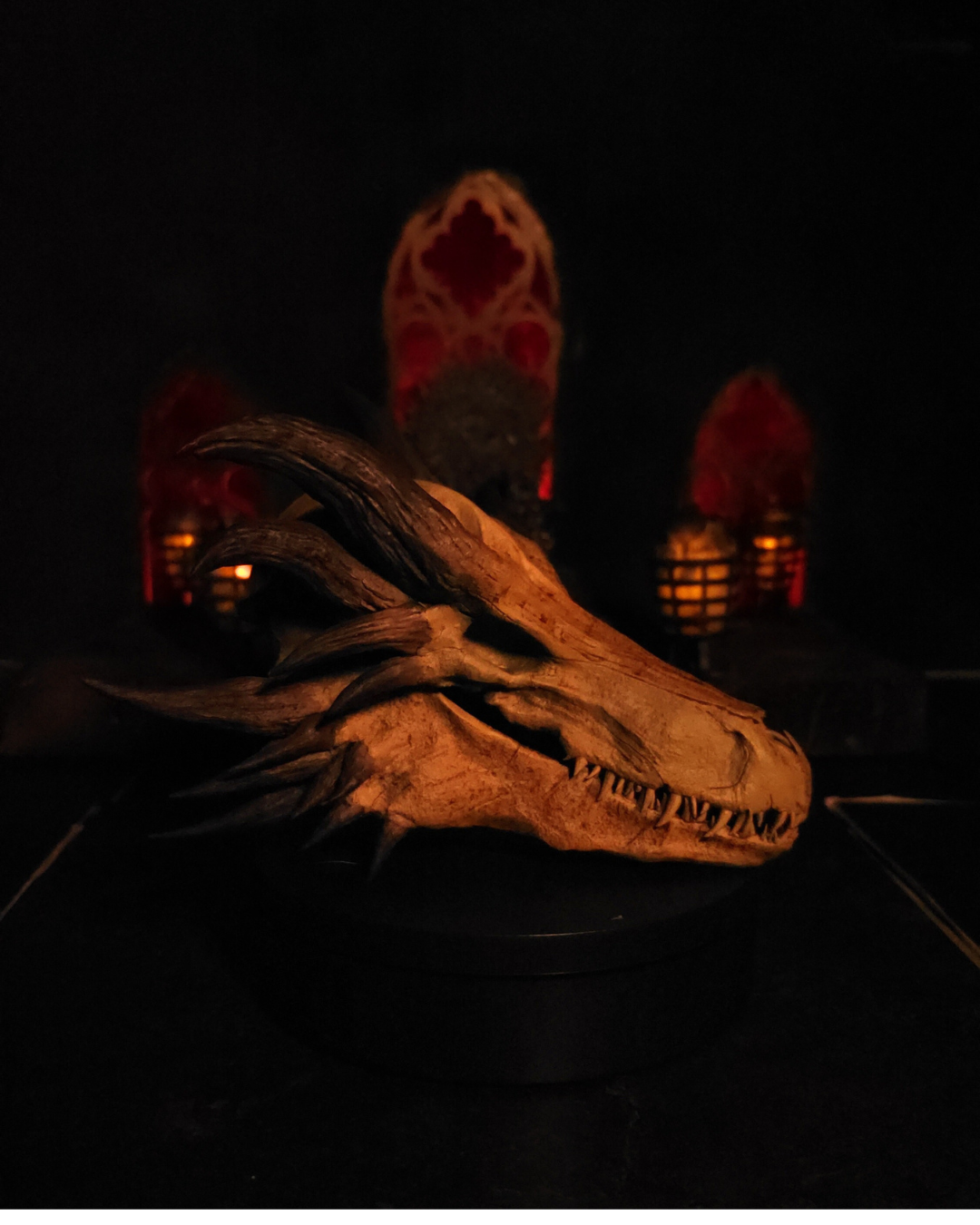
House of the Dragon, the Game of Thrones prequel series, lives up to its name by placing dragons at the very heart of the plot. From Syrax's majestic entrance to the ancient and terrifying Vhagar, not to mention the many other dragons looming on the horizon, this article offers an in-depth exploration of the dragons that have already appeared and those that are sure to appear in the Targaryen saga.
The essential role of dragons in *House of the Dragon*
Dragons as weapons of war
In Season 2, aerial dragon battles have become a central element of the narrative: fiery duels, military strategy, and psychological warfare. The episode "The Red Dragon and the Gold" features a breathtaking dragon combat sequence, with stunning special effects and tactical implications that change the course of the war.
Symbols of Targaryen legitimacy
Dragons are not mere beasts: they are the emblems of Targaryen rule. He who controls dragons controls Westeros. Rhaenyra's growing dominance is closely linked to the number of dragons under her banner, especially after her illegitimate children began riding their own mounts in a decisive moment of the "Red Seeding."
Anatomy and design of dragons in HOTD
Three distinct dragon morphologies
According to co-showrunner Miguel Sapochnik, dragons were designed with inspiration from three types: canine, equine, and dinosaur-like. These forms influence how each dragon moves, fights, and interacts, creating unique personalities and fighting styles for each creature.
Aging and physical limitations
In Westeros, dragons grow throughout their lives. But size comes with vulnerability: bones become brittle, legs give way under enormous weight, and some dragons become too large to fly effectively. Vhagar is the perfect example: he looks more like a clumsy warship than an agile predator.
Wild dragons vs. tamed dragons
Not all dragons are ridden. The series features wild, riderless dragons that still roam Westeros. Taming requires Valyrian commands, a bond forged from childhood, and discipline. The relationship between dragon and rider is depicted with a realism that adds emotional depth to their bond.
Stunning visual effects and design choices for the dragons
High-end CGI and practical elements
HOTD pushes visual boundaries by combining CGI with real props, including saddles, riding harnesses, and firelight simulations. More than 20 saddle models were used for the second season alone, helping to create a highly immersive fantasy world.
Individualized personalities and appearances
Each dragon has its own color palette, morphology, and behavior. From Caraxes' serpentine agility to Syrax's majestic posture, this diversity helps viewers emotionally connect with each creature, perceiving them as much more than just a tool of war.
The draconic bond: language and emotion
High Valyrian, language of communion
Commands such as "Dracarys" are not mere magic words: they are a bridge between humans and dragons. High Valyrian is used exclusively to give orders, reinforcing the ancient cultural bond passed down from generation to generation by the Targaryens.
Sensory intimacy
Actors are trained to "feel" the dragon's presence—heat, wind, smell—even during CGI scenes. This approach creates powerful emotional realism in rider-dragon scenes, giving them authenticity despite the digital effects.