Since its inception, the Avatar saga has stood out as a monumental exercise in world-building. With Avatar 3: Fire and Ash, James Cameron takes a bold narrative turn, moving away from purely aquatic environments to venture into a realm defined by fire, ash, and internal conflicts. This new chapter is not just a sequel: it's an expansion of a vast fantasy world, rich in mythology, factions, and moral tensions.
For fans of epic universes, dragons, elemental forces, and role-playing game narratives, *Avatar 3* comes closer than ever to a living fantasy campaign.
A New Chapter in the World of Pandora
After the lush jungles and oceanic clans explored in previous films, Fire and Ash presents a radically different region of Pandora. Volcanic landscapes, scorched skies, and unstable ecosystems characterize this new territory. Ash-covered plains, lava rivers, and fire-infused wildlife create an environment that feels hostile, ancient, and powerful.
This evolution reinforces Pandora's character as a true fantasy world: not static, but shaped by opposing elements—water, air, earth, and now fire. Just like in classic Dungeons and Dragons cosmology, balance is fragile, and each biome tells a story.
The Ash Clan: Antagonists or Misunderstood Faction?
One of the most anticipated elements of Avatar 3 is the introduction of the Ash People, a Na'vi clan associated with fire and destruction. Unlike previous clans, rooted in harmony and spiritual balance, the Ash clan is described as aggressive, militant, and ideologically divided from the rest of Pandora.
This narrative choice introduces a concept familiar to tabletop role-playing games:
not all "evil" factions are monsters.
Like races with ambiguous moralities or rival kingdoms in D&D campaigns, the Ash clan challenges the idea of absolute good versus absolute evil. Their culture, beliefs, and survival strategies may conflict with Jake Sully's values—but that doesn't make them pure villains.
This depth adds political intrigue and faction-driven storytelling, a hallmark of great fantasy universes.
Fire as an Elemental Force in Fantasy Storytelling
In fantasy literature and role-playing games, fire often represents chaos, rebirth, wrath, and transformation. Avatar 3 fully embraces this symbolism.
Fire is not just a visual theme; it's a narrative mechanism:
- Volcanic regions act as dangerous zones, similar to high-level areas on RPG maps
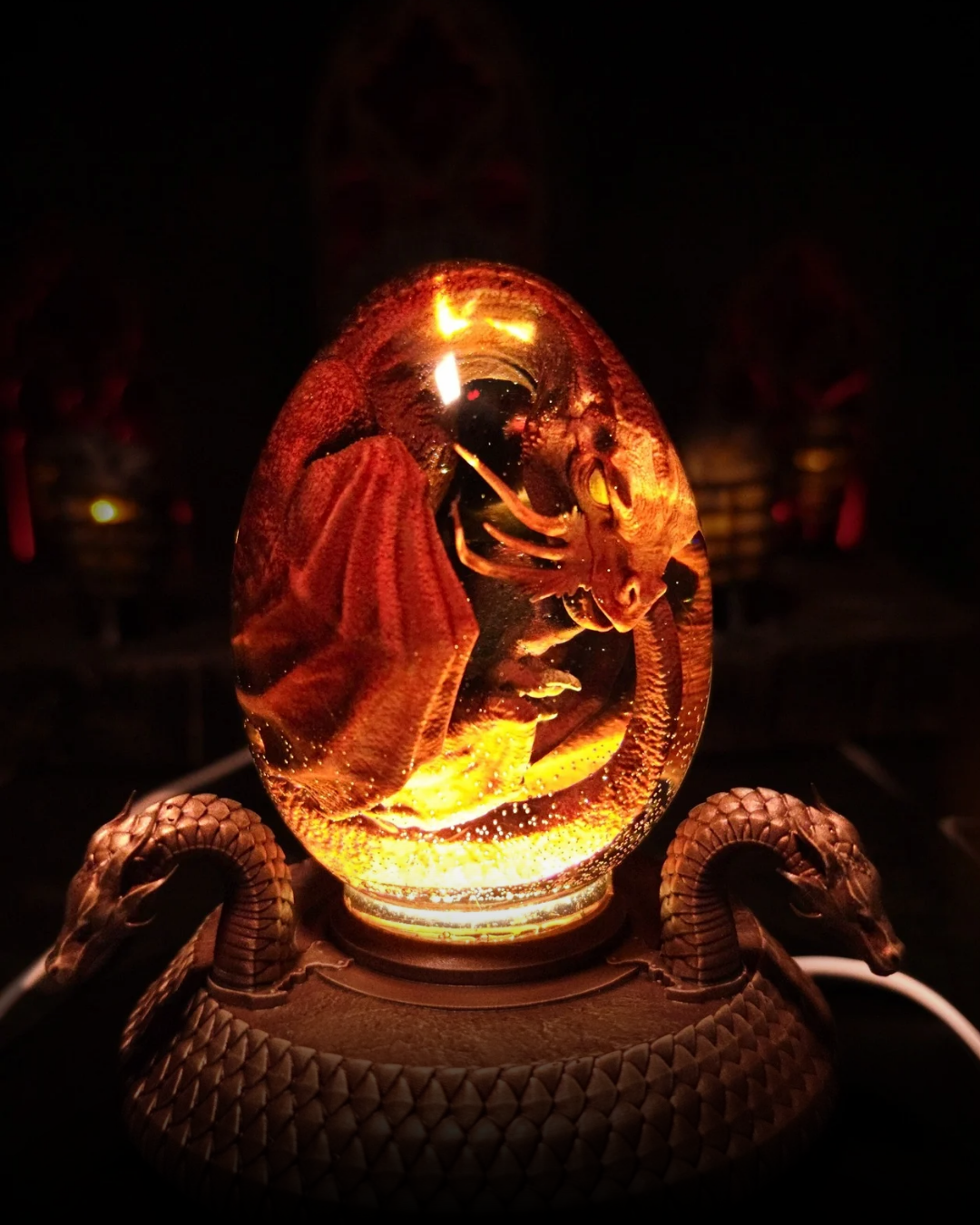
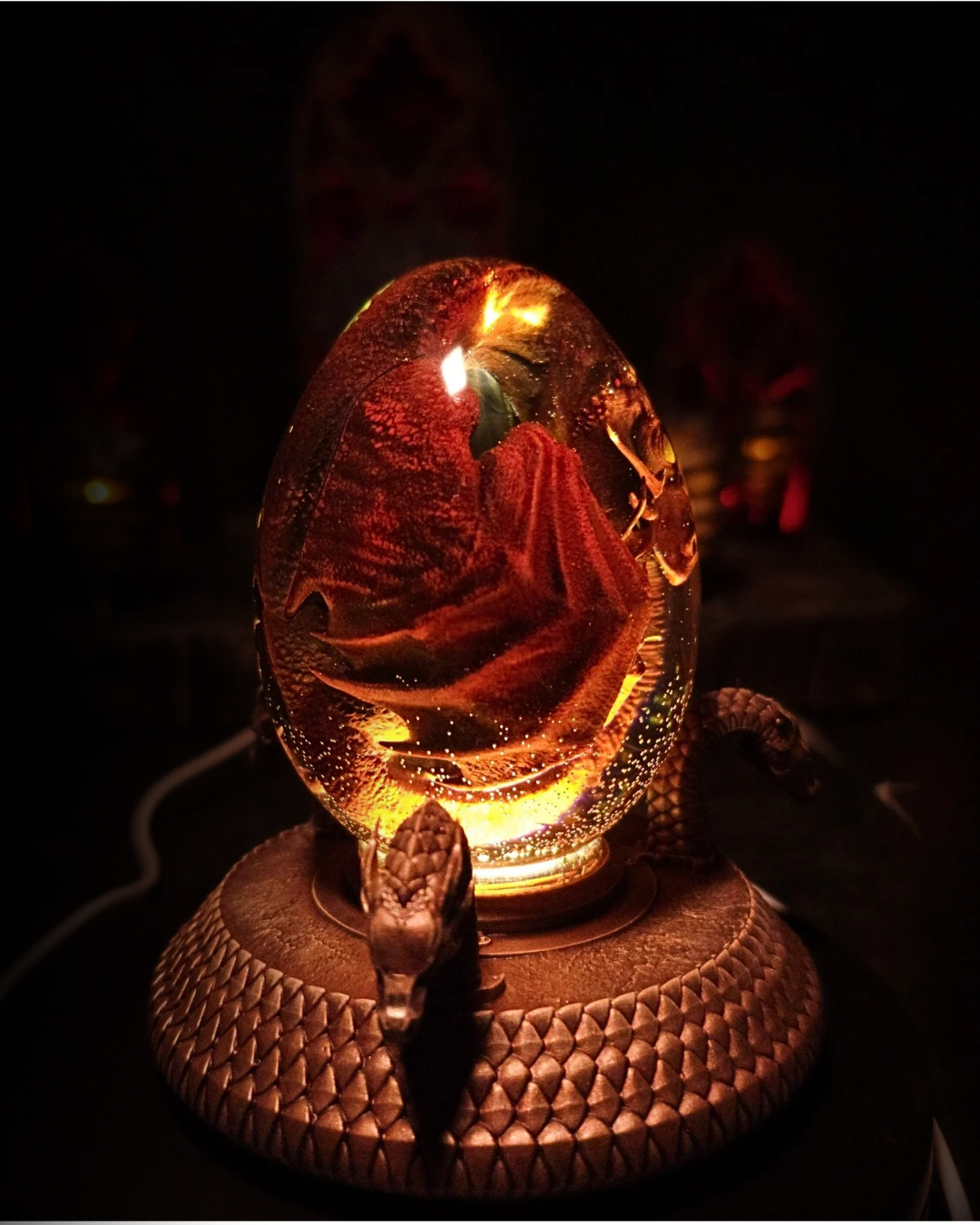
- Fire creatures resemble elemental monsters or drakes
- Ash storms limit visibility and movement, echoing environmental hazards in tabletop RPG systems
For world-builders and game masters, this approach shows how an element can define both the world and the gameplay. Fire reshapes cultures, armor, mounts, weapons, and even spiritual beliefs.
A Fantasy World Built on Myth and Conflict
What distinguishes Avatar from classic science fiction is its mythological structure. Pandora functions less like a planet and more like a living realm—guided by spiritual forces, ancestral traditions, and interconnected life.
In Fire and Ash, this mythical dimension darkens:
- Eywa's influence could be challenged
- Spiritual unity fractures among clans
- Ancient taboos and forgotten legends resurface
This echoes classic fantasy campaigns where gods, primal forces, and planar energies influence mortal conflicts. Avatar 3 builds on this structure, bringing its fantastic universe closer to an epic saga rather than a futuristic narrative.
Creatures, Mounts, and Fire Monsters
Each Avatar film introduces new wildlife, and Avatar 3 is no exception. Fire-adapted creatures are expected to play a central role, from lava-dwelling beasts to aggressive aerial predators.
For fans of Dungeons and Dragons-style fantasy, these creatures are akin to:
- elemental monsters
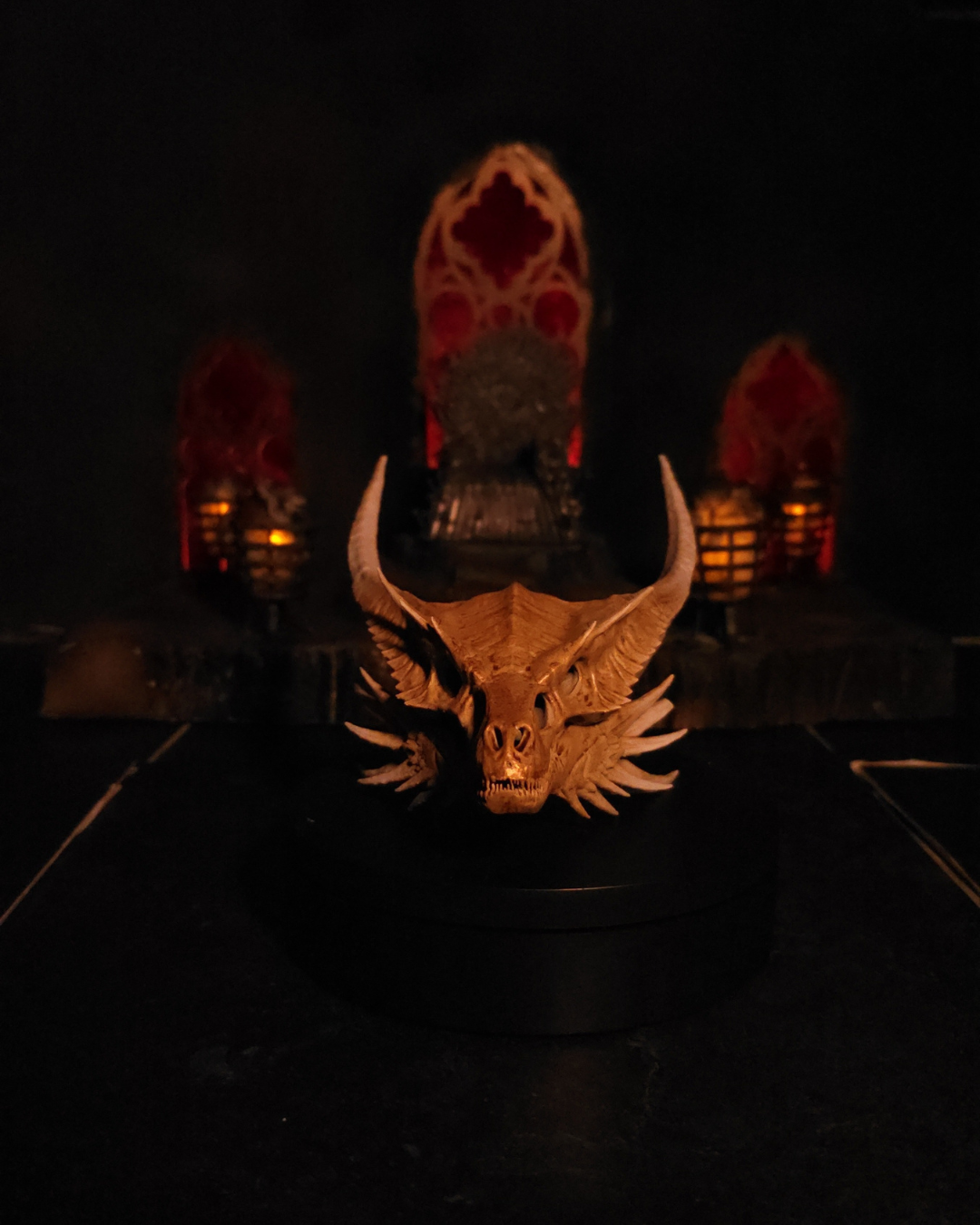
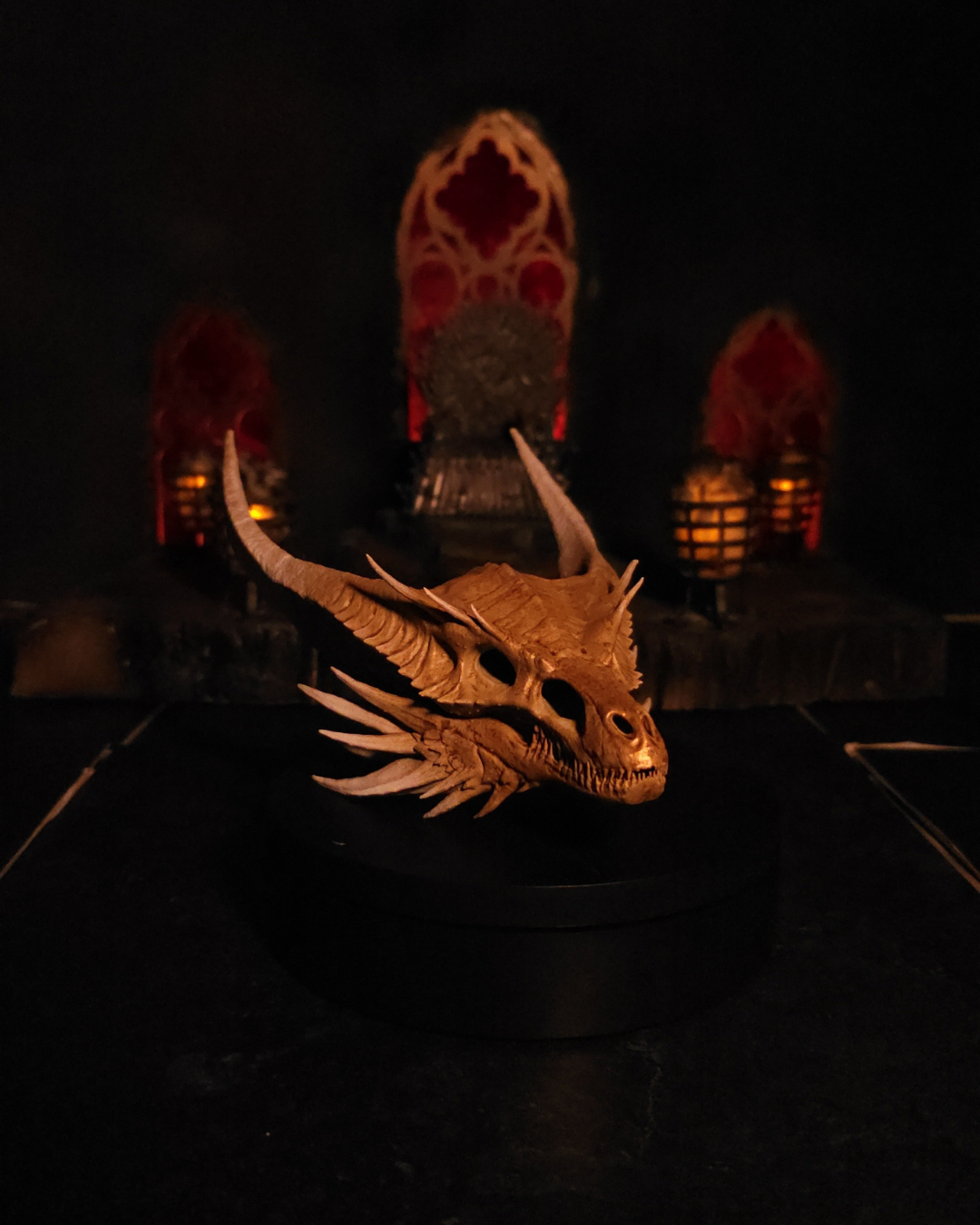
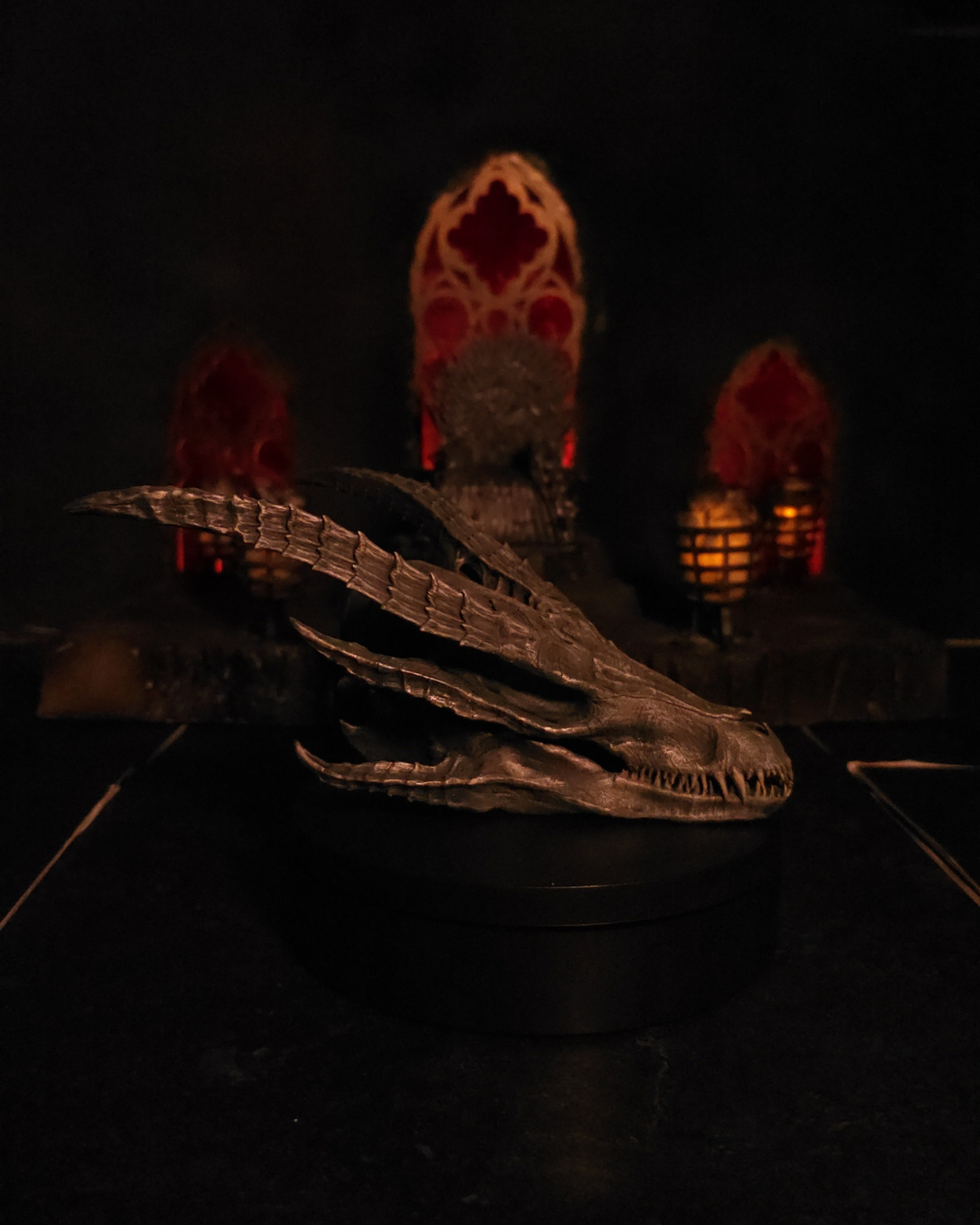
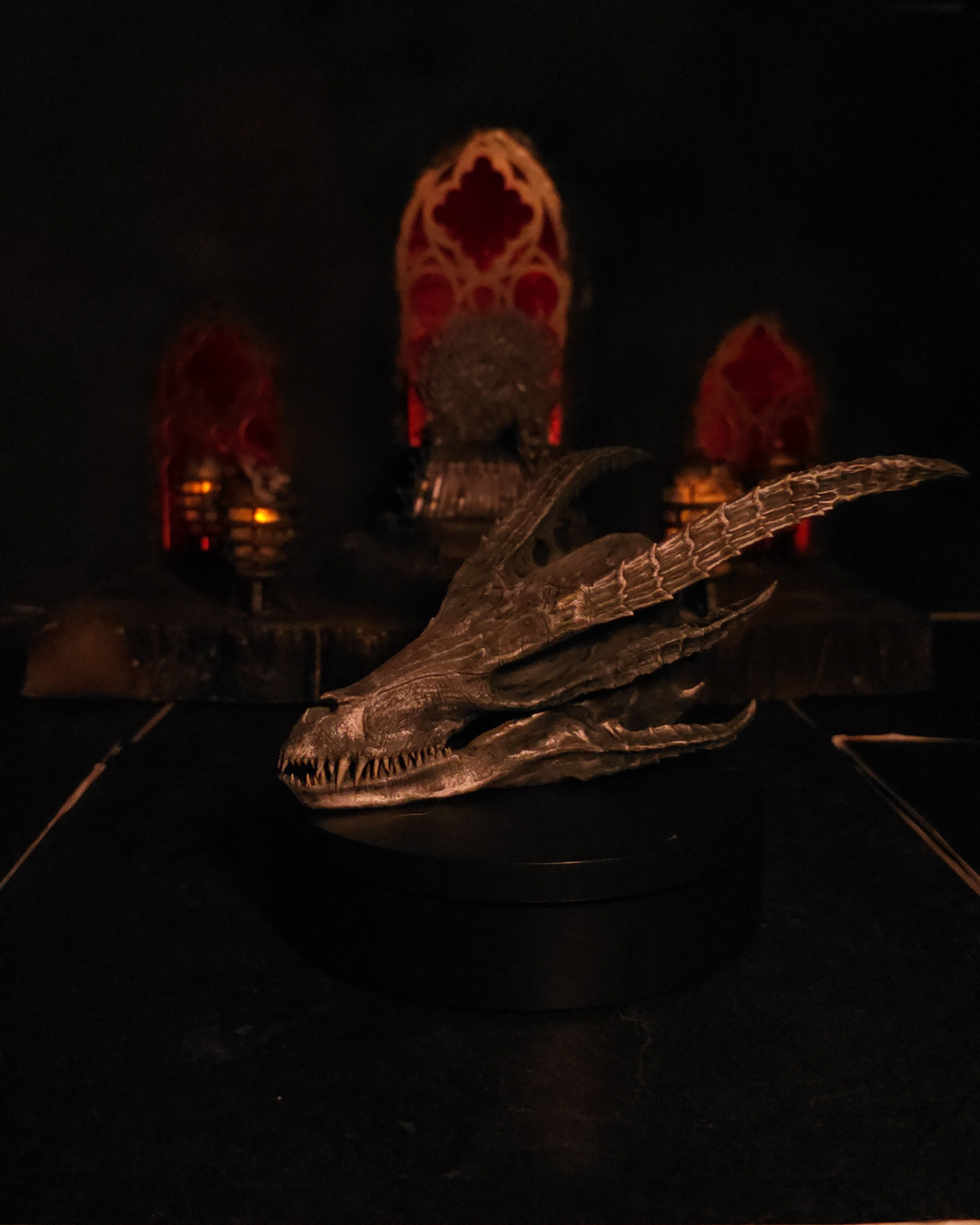
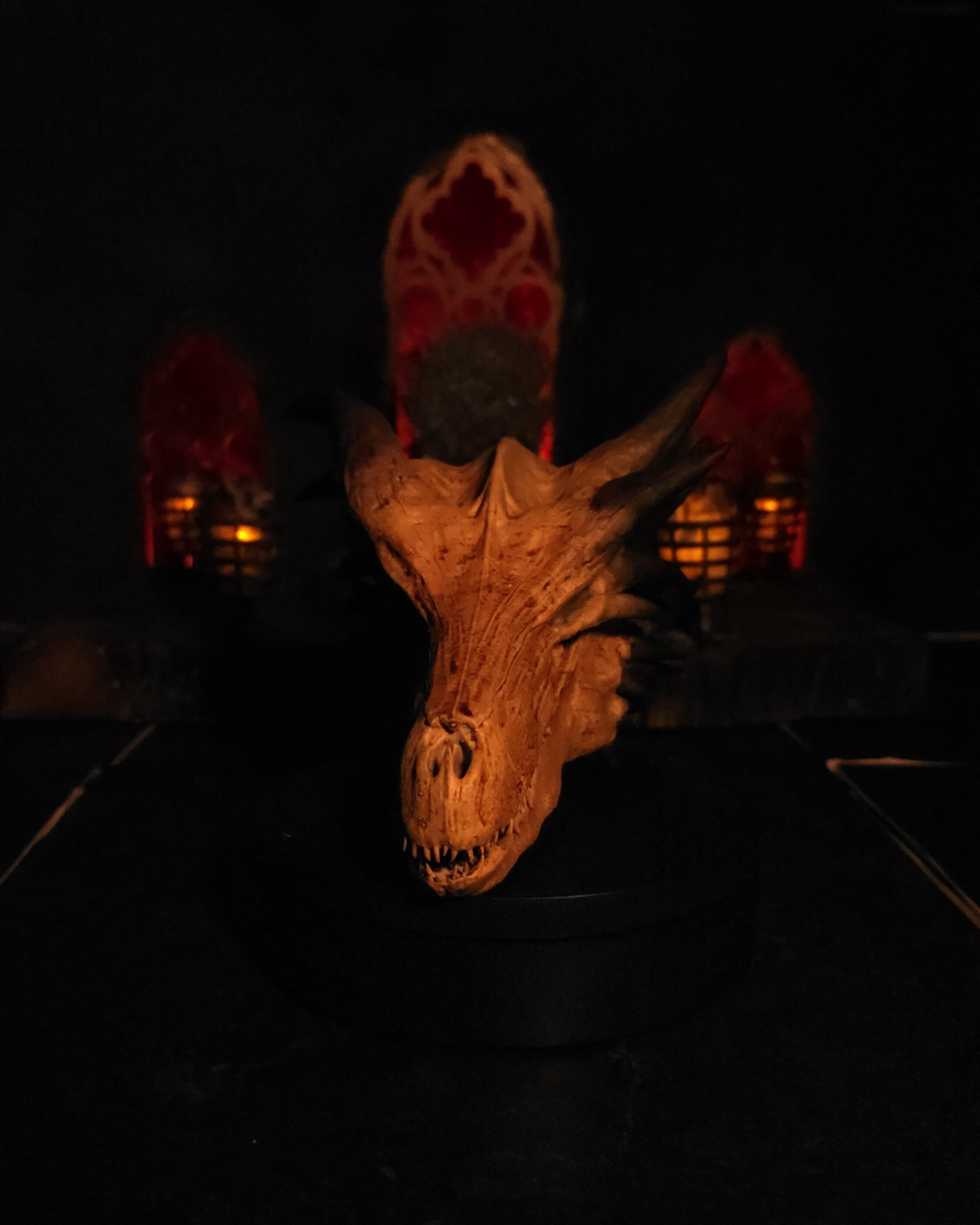
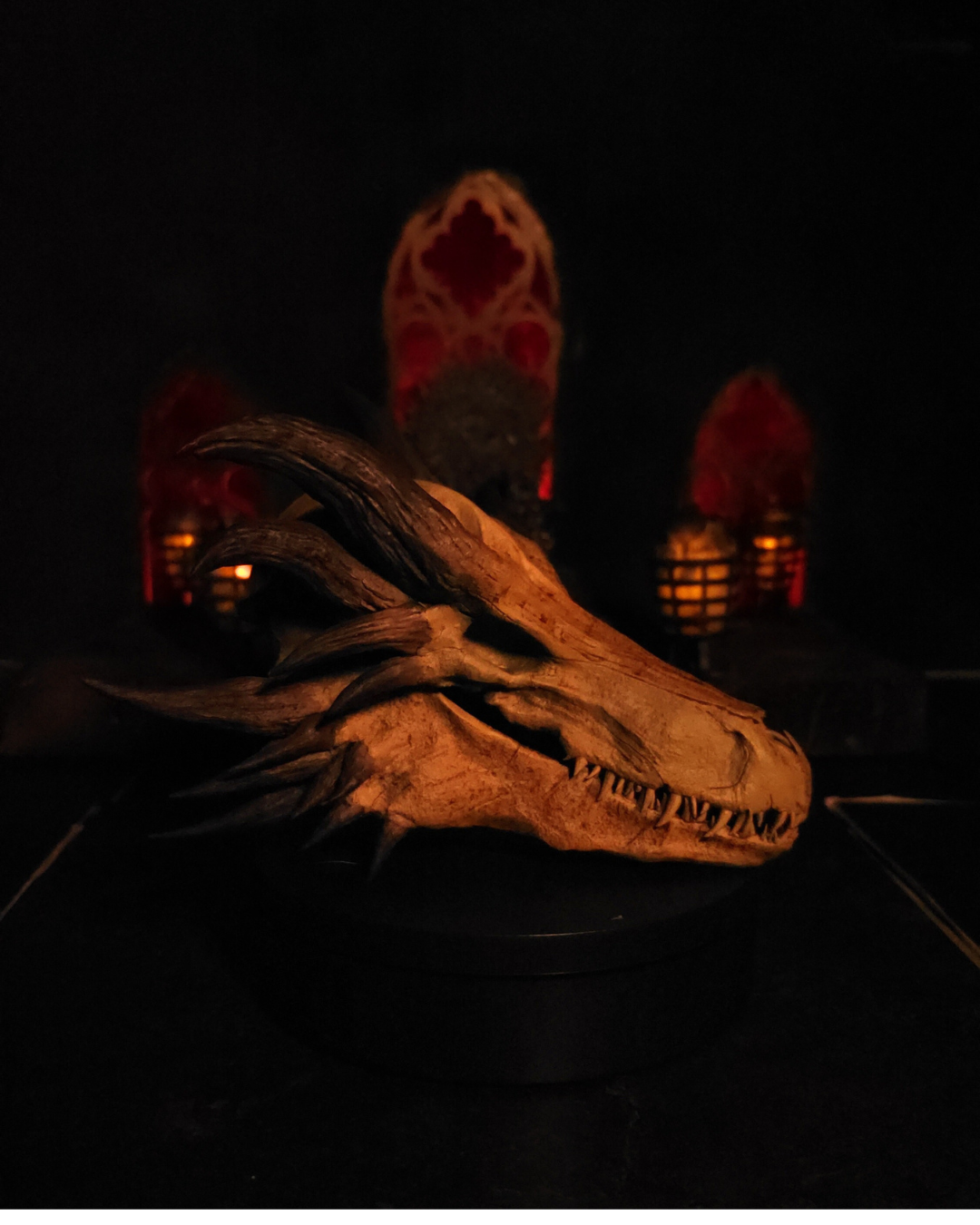
- volcanic dragons or drakes
- corrupted or fire-infused beasts
These designs reinforce the idea that Pandora functions as a living bestiary—an inexhaustible source of inspiration for creature design, miniatures, and RPG encounters.
Why Avatar 3 Resonates with Fantasy and RPG Fans
Avatar 3 succeeds because it follows principles familiar to fantasy and tabletop RPG enthusiasts:
- Solid world-building with coherent cultures and ecosystems
- Faction conflicts rather than a simple hero-vs-villain dynamic
- Elemental themes that shape the narrative and aesthetics
- Strong emotional stakes, akin to long-running campaigns
Just like a well-designed Dungeons and Dragons universe, Pandora feels playable: its clans could be player factions, its regions modular maps, and its creatures legendary encounters.
A Source of Inspiration for Fantasy Creators and Game Masters
For creators, sculptors, painters, and tabletop RPG players, Fire and Ash is a true lesson in visual storytelling. Volcanic textures, scorched armor, ritualistic markings, and fire-lit environments translate beautifully into fantasy miniatures and tabletop RPG settings.
Avatar 3 reminds us that a fantasy universe thrives on contrasts: beauty versus destruction, harmony versus ambition, tradition versus survival.
Conclusion: A Fantasy Universe Forged by Fire
Avatar 3: Fire and Ash transforms Pandora into a more dangerous and morally complex fantasy universe. By placing fire at the heart of its world, the saga aligns with the traditions of epic fantasy while retaining its unique identity.
For fans of immersive universes, elemental mythology, and role-playing game narratives, this new chapter is not just a film: it's an invitation to imagine, create, and explore worlds shaped by myth, conflict, and imagination.